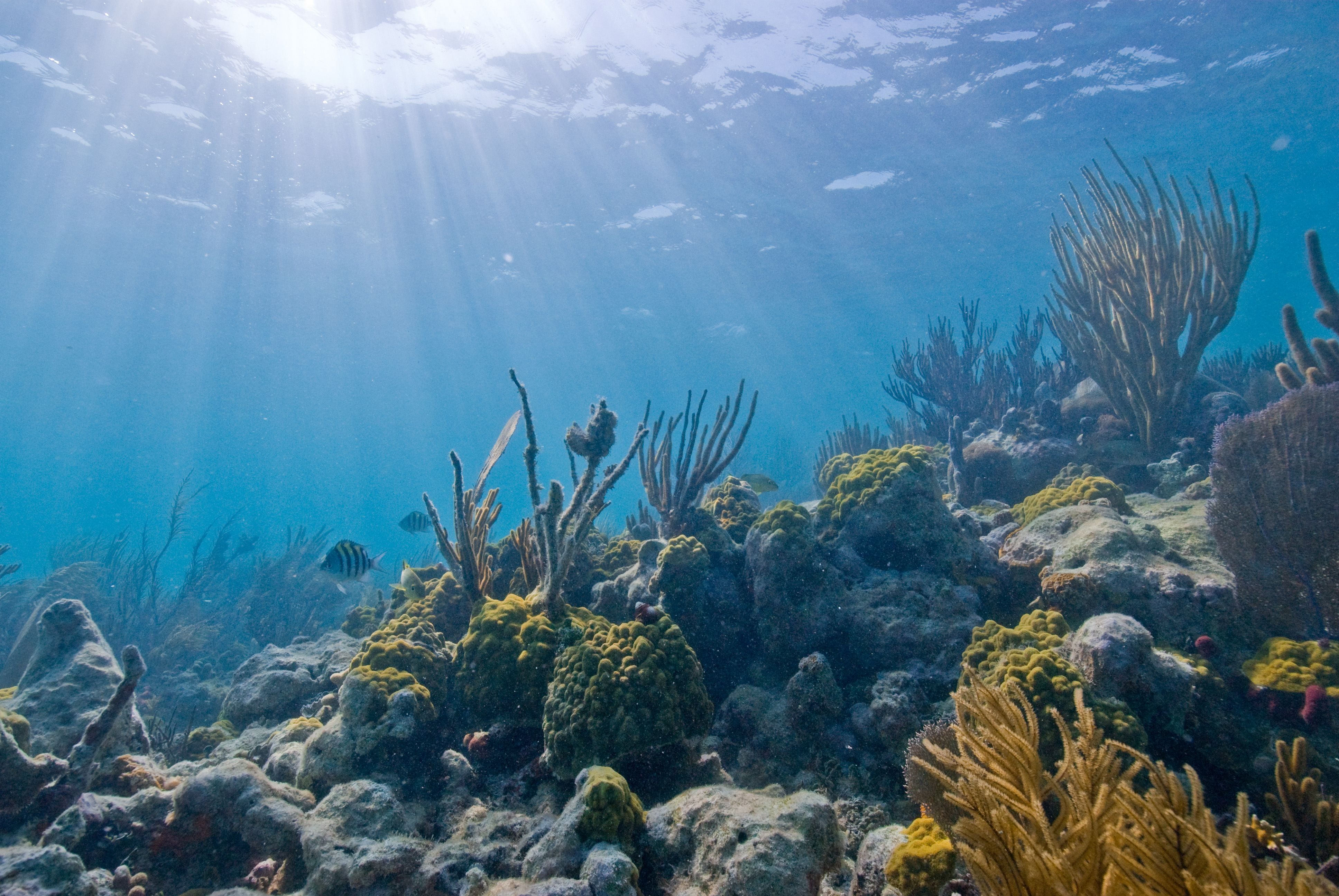
Florida zeroed out its $28.5 million coral reef restoration program, stranding 14 organizations mid-project along a reef tract that runs through Biscayne Bay.
Gov. Ron DeSantis and the Legislature cut all funding for the Florida Coral Reef Restoration and Recovery Initiative (FCR3) in the 2026-27 state budget, the Miami Herald reported. DeSantis launched the program through a 2023 executive order. The state had distributed $28.5 million to 14 organizations over three years, and those groups were expecting $25 million more to begin what was planned as the largest coral planting effort in state history.
Coral Numbers Have Already Collapsed Statewide
The cut hits close to home. Biscayne National Park was among 12 organizations that collaborated in early August on a separate, federally funded spawning effort that produced more than 1.5 million coral embryos, according to the University of Miami Rosenstiel School. Fewer than 150 unique elkhorn corals and 300 staghorn corals remain on Florida's reef. That is about 1% of their former numbers.
As we reported Sept. 3, the Key Biscayne Village Council is exploring its own offshore reef study to protect the island's shoreline.
Andrew Baker, a University of Miami marine biology professor, said in an Aug. 21 news release about the federal spawning effort, "Our reef is in trouble, and we need to take urgent action to scale up efforts to help restore and rebuild one of the state's most valuable environmental and economic resources."
Reef Supports Billions in Tourism, Storm Protection
The FCR3 program's 27-year goal was to restore 25% of Florida's original reef by 2050. The reef tract stretches 350 miles from the Dry Tortugas to the St. Lucie Inlet. It generates $6.3 billion in annual tourism revenue and supports 71,000 jobs, according to the Florida Department of Environmental Protection. It also prevents $675 million in storm damage each year, according to the U.S. Geological Survey.
"Now we're starting to build or have built expanded facilities, and then there's no money to operate them," said Keri O'Neil, director and senior scientist of the coral conservation program at the Florida Aquarium. "To me it feels like a waste of this huge investment by the state."
Decades of Disease and Heat Have Taken a Toll
Since the 1970s, diseases, heat waves, pollution and boat damage have killed 90% of Florida's coral, according to NOAA. About 70% of the reef is crumbling without enough living coral to rebuild what erosion takes away. A 2023 heat wave triggered the worst bleaching event in state history, and as of September 2026 the reef is bleaching again.
Governor's Office Has Not Explained the Cut
DeSantis did not explain the cut. At a June 29 bill-signing ceremony, he celebrated trimming $800 million from the state's $117.6 billion budget. The Herald reported that neither his office nor the Florida Department of Environmental Protection responded to emailed questions.
Recipients Now Turn to Private Donations
FCR3 recipients are now seeking private donations. Federal grants have also shrunk. Leneita Fix, executive director of The Reef Institute in West Palm Beach, which received $3.5 million in state funds, said her team built everything on time and stretched every dollar but cannot move forward without new funding.
State lawmakers will not revisit the budget until the 2027 legislative session. No date has been set.