
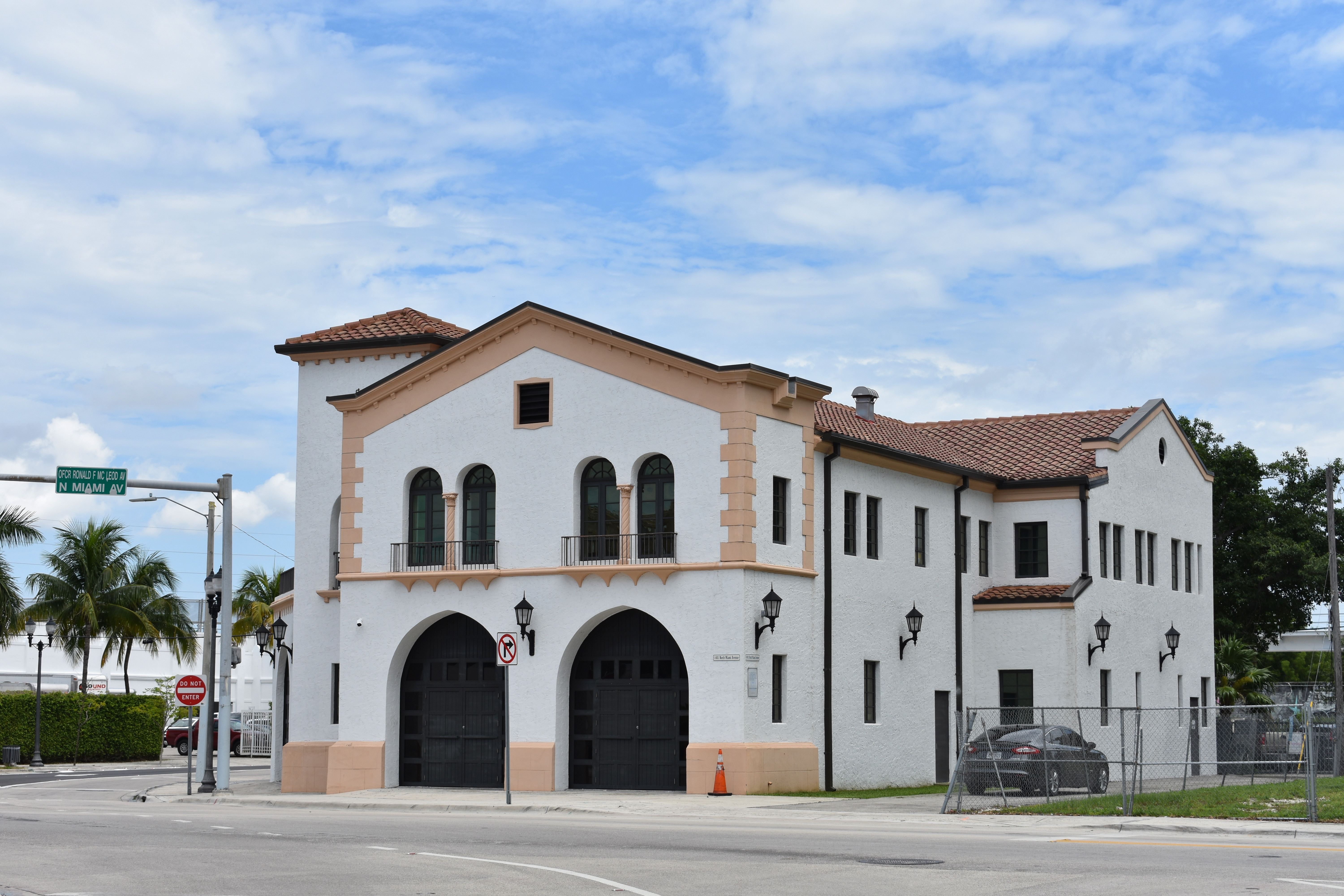
Coconut Grove voters will decide Nov. 3 whether to authorize $450 million in borrowing for a new police headquarters and fire stations, even as the City of Miami faces approximately $2 billion in unfunded pension and retiree health obligations and a reported $950 million negative net position for governmental activities.
The Safe and Ready Miami Bond would allocate $300 million toward a new public safety building housing police headquarters, fire department offices and the 911 emergency center. Another $150 million would fund fire department facilities, including four new stations, according to the city's bond website.
The bonds would be repaid through property taxes without increasing the city's current capital projects debt millage rate of 0.5935 mills. The city estimates the average monthly cost at $9.20 per household, based on a property value of $423,020. Actual costs would depend on interest rates, property assessments and how the bonds are issued.
Early voting runs Monday, Oct. 19, through Sunday, Nov. 1. Only registered City of Miami voters can vote on the bond referendum.
Aging police and fire facilities drive bond proposal
Mayor Eileen Higgins, who took office in late 2025, has made the bond a major priority of her administration.
She told WLRN that the city's police and fire facilities have deteriorated for more than a decade, citing flooded basements, damaged ceilings and outdated electrical systems.
Miami's current police headquarters opened in 1976 and was designed for approximately 560 officers. It now houses about 1,390 sworn personnel and 400 civilian employees, according to the city's official materials, also cited by CiberCuba.
Eight of the city's 17 fire-rescue stations are more than 50 years old, and two are more than 60 years old.
"The situation in our fire stations sometimes is worse than what is going on at the police headquarters," Higgins told WLRN.
The proposed bond would fund renovations, replacement facilities and new stations in areas where the city says emergency response times need improvement.
North Grove is among the neighborhoods identified on the city's bond website as potentially benefiting from improved fire-rescue coverage.
Higgins has argued that issuing bonds would allow Miami to begin construction sooner rather than waiting to accumulate sufficient money through annual budgets.
The Miami City Commission approved placing the bond referendum on the November ballot in July.
City's pension obligations raise borrowing concerns
The proposal comes as Miami faces substantial long-term financial obligations.
A 2023 analysis by government finance nonprofit Truth in Accounting classified Miami as a "sinkhole city" and assigned it a D grade for financial health, according to WLRN.
Sheila Weinberg, the organization's CEO, told the station that the city's financial condition had not improved substantially since that assessment.
Miami's most recently available annual financial report showed approximately $2 billion in unfunded pension and retiree health obligations. Net pension liabilities for police officers and firefighters alone exceeded $1 billion in 2025.
The same report showed a negative net position of approximately $950 million for governmental activities. That figure reflects the city's broader financial position, including long-term liabilities, rather than a single year's operating deficit.
A July 2026 monthly financial report also showed public safety expenditures running $34 million over budget, driven partly by pension costs, retirement obligations and employee salaries, WLRN reported.
Former Miami City Manager Emilio González, who ran against Higgins in the 2025 mayoral election, questioned whether the city should take on additional debt before addressing existing obligations.
"We are so in debt. We haven't paid off the first bond. We wanna do another bond. We're gonna bond ourselves into oblivion," González told WLRN.
Higgins has defended the proposal, saying deteriorating public safety facilities must be repaired or replaced regardless of the city's other financial challenges.
The city maintains that the bond would not increase the current debt millage rate. However, the bonds would still represent new borrowing that taxpayers would repay with interest.
Miami Forever Bond spending remains under scrutiny
The city's handling of its previous major borrowing initiative has become another issue in the debate.
Miami voters approved the $400 million Miami Forever Bond in 2017 to fund drainage improvements, affordable housing, parks and projects addressing sea-level rise.
According to the Miami Forever Bond Citizens' Oversight Board's May 2026 agenda, approximately 30% of the authorized $400 million had been spent, although much of the remaining money had already been designated for projects, WLRN reported.
Critics have questioned why so much of the bond remains unspent nearly nine years after voters approved it.
Others argue that the program has delivered improvements despite delays.
Ruth Ewing, a Coconut Grove resident and member of the oversight board, defended the program in a December 2025 WLRN report.
"The bond was being scapegoated as a failure (during the election), but we're seeing progress being made," Ewing said.
That report identified 32 completed Miami Forever Bond projects worth more than $56 million.
Among them was a seawall and bayfront walkway at Alice Wainwright Park in Coconut Grove, supported by $2.5 million in bond funding.
Higgins told WLRN that the earlier program devoted substantial resources to project design without always reserving enough money for construction.
She has pledged to create an online dashboard allowing residents to track Miami Forever Bond projects and their progress.
The Safe and Ready Miami website says the city has committed to a similar dashboard for the proposed public safety bond, along with quarterly expenditure reports, project-level budget tracking and an annual independent audit.
Separate ballot question would establish bond oversight
Miami voters will also decide a separate charter amendment that would establish a permanent advisory committee to oversee the city's general obligation bond programs.
The proposed committee would monitor and publicly report on project costs, construction schedules, progress and remaining funds for active bond-funded capital projects.
The oversight question is separate from the $450 million borrowing proposal, allowing voters to decide each measure independently.
Early voting will be available at 28 locations across Miami-Dade County from 7 a.m. to 7 p.m. daily, Oct. 19 through Nov. 1.
One location convenient to Coconut Grove voters is the Historic Garage at 3250 S. Miami Ave., on the grounds of the former Museum of Science.
Voters can cast ballots at any countywide early voting location but must use their assigned precinct on Election Day.
The deadline to request a vote-by-mail ballot is Thursday, Oct. 22, at 5 p.m. Completed mail ballots must reach the Miami-Dade County Supervisor of Elections by 7 p.m. Tuesday, Nov. 3.
Additional election information, including polling locations and sample ballots, is available through the City of Miami's election website.




.jpg)