
Key Biscayne homeowners face restrictions on installing permanent flood barriers, even as some businesses in less-restrictive flood zones can use certified panels to protect their properties and potentially qualify for insurance discounts.
An investigation published by the Miami Herald on Oct. 16 examined how National Flood Insurance Program rules and the Florida Building Code limit the use of dry floodproofing in residential buildings.
Dry floodproofing involves sealing a building against floodwater using barriers, waterproof materials and other measures designed to keep water from entering. The approach can expose walls and foundations to substantial water pressure, particularly during storm surge.
Federal floodplain construction standards generally do not recognize dry floodproofing as an acceptable alternative to elevation for residential buildings in special flood hazard areas.
The rules are particularly restrictive in coastal high-hazard zones, where powerful waves and storm surge can threaten a building's structural integrity.
Coastal flood zones face stricter requirements
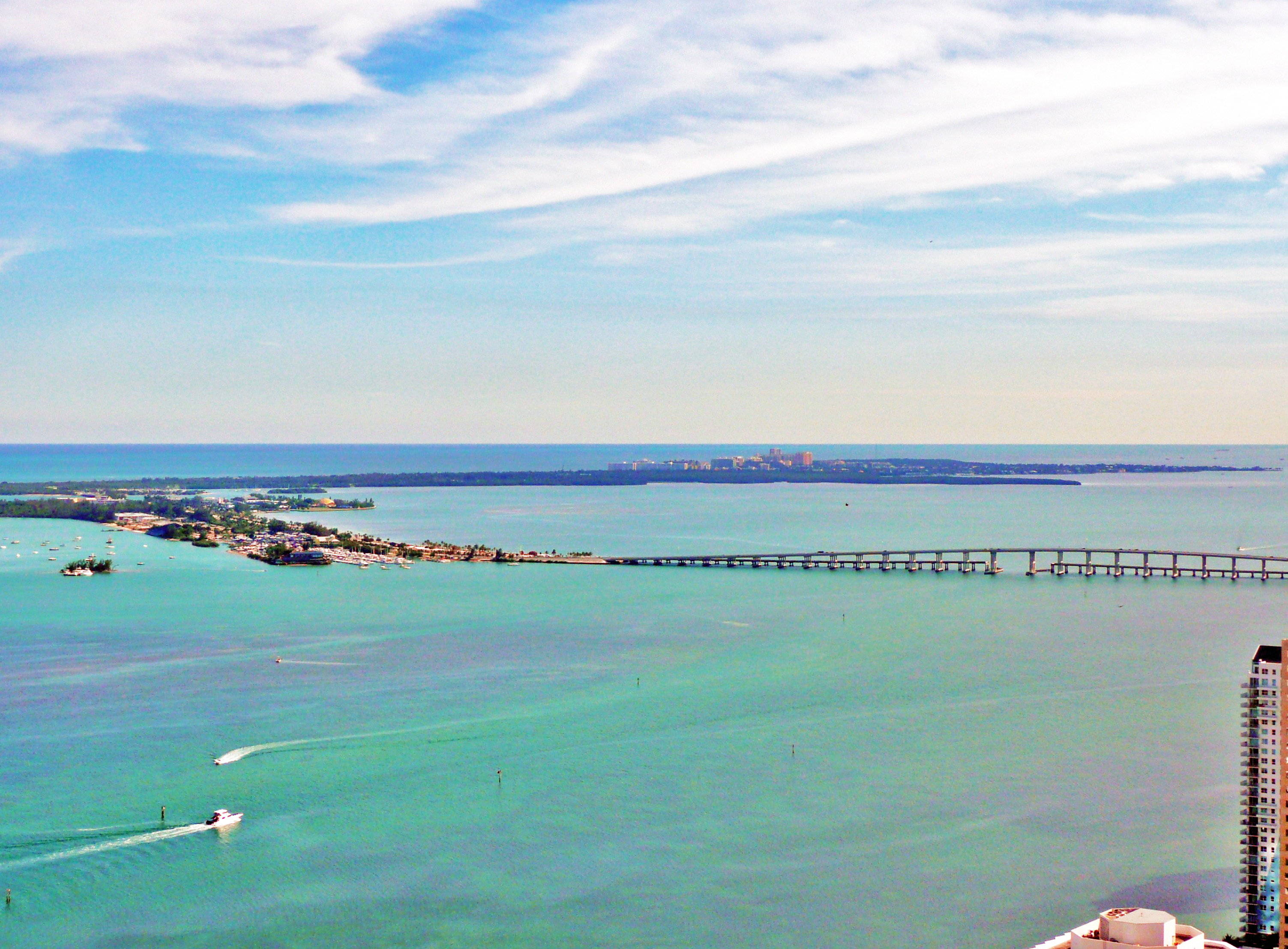
Key Biscayne's exposure to coastal flooding makes the restrictions especially relevant to island homeowners.
Under Federal Emergency Management Agency regulations, dry floodproofing is prohibited as a compliance method in coastal high-hazard areas designated V or VE, including for commercial buildings.
In less-restrictive A and AE flood zones, qualifying nonresidential buildings may use engineered dry floodproofing systems instead of elevating their lowest floors, provided they meet applicable construction and certification standards.
Residential buildings generally cannot use the same approach to satisfy federal floodplain construction requirements.
Individual property designations vary, however, and homeowners must consult FEMA's flood maps and local building officials to determine which requirements apply.
Miami-Dade County told the Herald that it does not issue permits for residential flood panels in regulated flood zones.
Installing permanent barriers without required permits could expose homeowners to building code enforcement and potential insurance complications.
"You absolutely can get your policy revoked or your claim denied," Del Schwalls, a Florida-based floodplain management consultant, told the Herald.
The consequences of an unauthorized installation would depend on the circumstances and applicable policy provisions. Installing a barrier does not automatically invalidate an entire flood insurance policy.
Federal rules also require participating communities to enforce floodplain development standards. Communities that repeatedly fail to comply can face sanctions, including probation or suspension from the National Flood Insurance Program.
Temporary barriers remain an option for homeowners
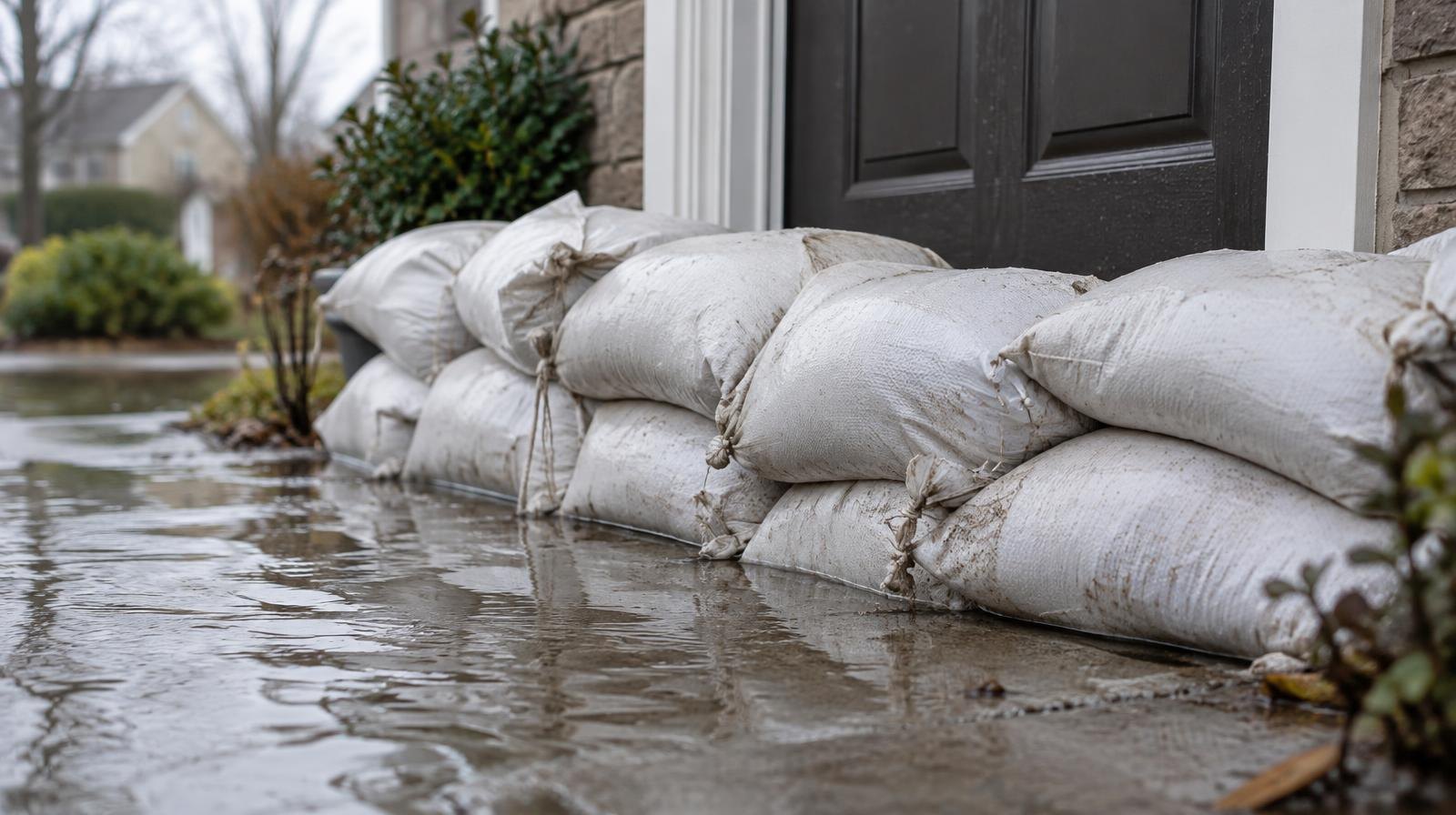
The restrictions do not necessarily prevent residents from using temporary flood protection measures.
Sandbags, portable water barriers and certain removable flood protection products may be used to reduce flood damage, subject to local requirements and the design of the building.
Amy Knowles, Miami Beach's chief resilience officer, told the Herald that temporary barriers used on residential properties are not necessarily classified as permanent dry floodproofing.
Homeowners should verify whether a particular product or installation requires local approval, especially if it involves drilling into walls, attaching permanent mounting hardware or modifying a building's structure.
The National Flood Insurance Program also provides limited reimbursement for certain emergency protective measures.
Eligible policyholders may receive up to $1,000 for approved expenses involving sandbags, pumps, temporary levees and related materials when qualifying flood conditions exist.
A separate provision allows up to $1,000 for reasonable expenses associated with moving insured property to safety.
These payments are subject to policy conditions and are not automatic reimbursements for purchasing flood protection products.
Businesses can use certified systems in eligible zones
The rules differ for commercial buildings in certain inland flood zones.
Qualifying businesses in A and AE zones may install engineered floodproofing systems that meet federal standards and receive certification from a registered architect or professional engineer.
Depending on the building, flood zone and insurance rating requirements, approved floodproofing can affect National Flood Insurance Program premiums.
Stephen Gill, founder of Flood Risk America, told the Herald that his company has installed certified flood barriers at commercial properties, including Mary Brickell Village and Tampa General Hospital.
Gill estimated that a custom flood panel system for a typical three-bedroom, two-bathroom home could cost approximately $22,000.
Some private flood insurance companies may consider protective barriers when determining premiums, although discounts and eligibility vary by insurer.
John Dickson, president and CEO of private flood insurer Aon Edge, told the Herald that the company was examining the potential use of residential flood barriers.
"There's a lot of variation about how these devices are installed and effective," Dickson said.
The regulatory approach also varies among Florida communities.
The Herald reported that Naples has allowed residential flood panel permits under certain structural conditions, while Fort Myers Beach previously issued permits before FEMA intervened.
Those differences underscore the importance of checking both local regulations and federal requirements before installing permanent flood protection systems.
King tide raises urgency for flood protection
The restrictions come as South Florida prepares for another period of elevated tides.
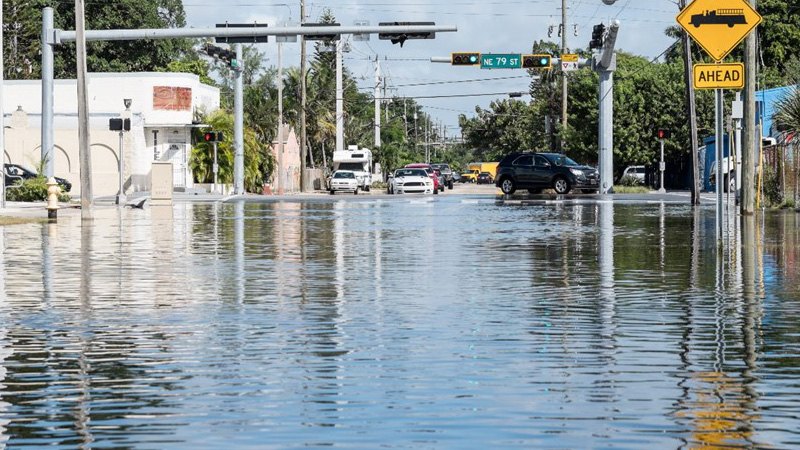
As the Biscayne Bay Beacon reported Oct. 14, Miami-Dade County has identified Oct. 24 as a period of heightened king tide flooding risk.
Low-lying streets, driveways and waterfront properties may experience flooding even without heavy rainfall, particularly when elevated tides coincide with onshore winds or other unfavorable weather conditions.
For Key Biscayne homeowners considering flood protection, temporary measures may offer options that do not involve permanently sealing a building.
Residents considering more substantial modifications should consult their local building department, a qualified engineer and their flood insurance provider before purchasing or installing a system.
Property owners can check their flood-zone designation through the FEMA Flood Map Service Center.



.jpg)