
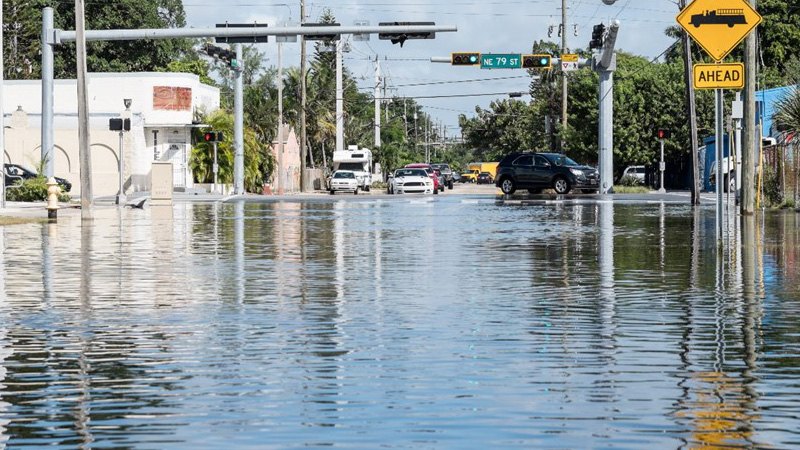
Miami-Dade County is urging residents in coastal and low-lying areas to prepare for potentially flooded roads and property damage as one of the fall's highest predicted king tide periods approaches Oct. 24-30.
The county advisory, issued Oct. 13, identifies three remaining king tide periods this fall: Oct. 24-30, Nov. 6-9 and Nov. 23-26. The late October window is expected to produce the highest tides of the remaining periods.
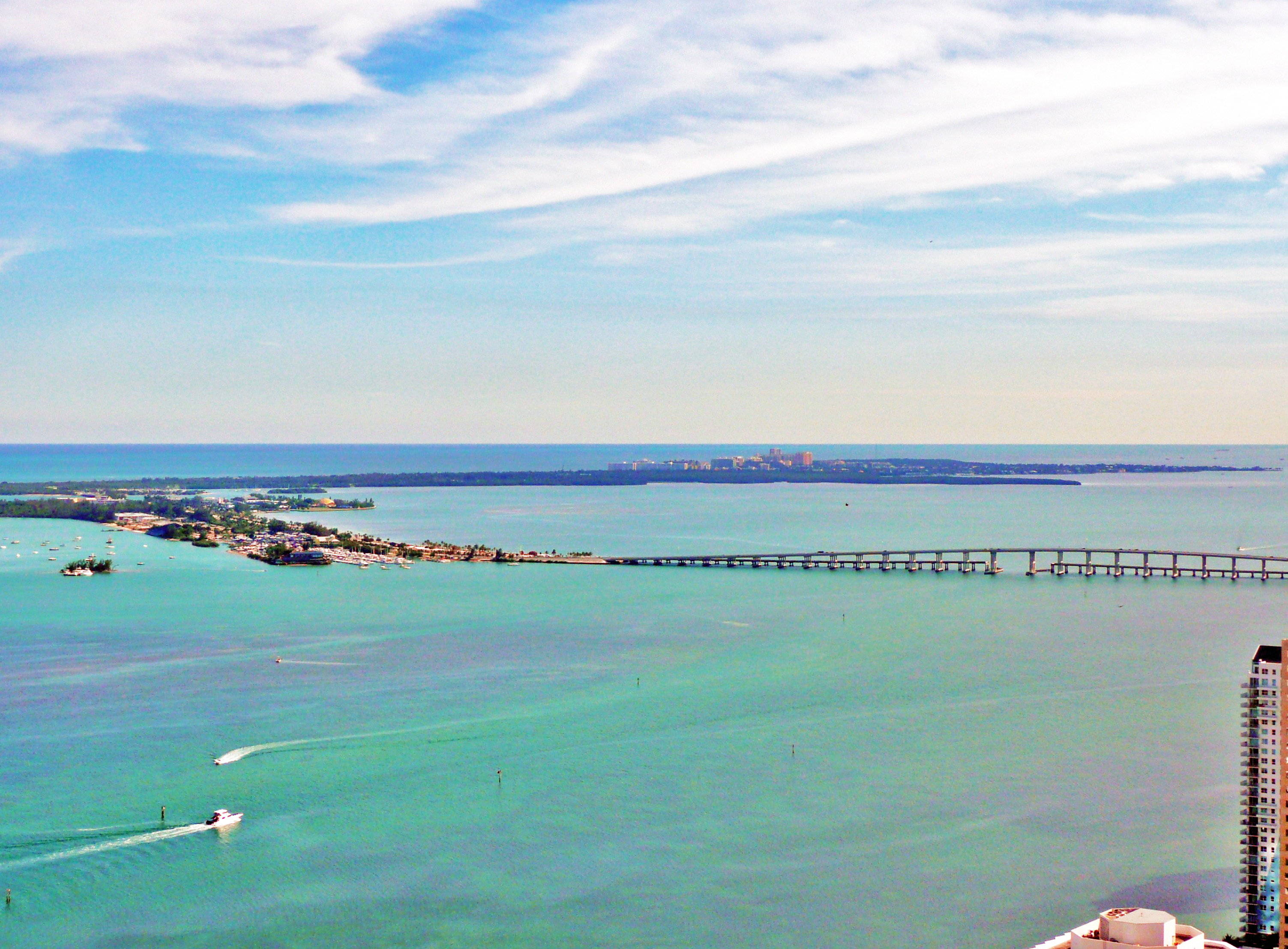
For Key Biscayne, the concern is particularly significant. The village's resiliency plan describes the barrier island as "low-lying and without a coastal ridge," leaving it vulnerable to tidal flooding as sea levels rise.
King tides can flood streets even on sunny days, with conditions worsening when unusually high water levels coincide with heavy rainfall, strong winds or large waves. Saltwater flooding can also damage vehicles and landscaping.
Highest tides expected around Oct. 26-27
The Oct. 24-30 period includes some of the highest predicted water levels of 2026, according to Miami-Dade County and the city of Miami Beach's king tide schedule.
Miami Beach identifies Oct. 26 and 27 as the peak dates. Tide predictions for NOAA's Virginia Key station indicate a high tide around 10:31 a.m. Oct. 27, although actual water levels will depend on weather and coastal conditions.
King tides occur when the gravitational forces of the moon and sun combine to produce unusually high water levels. In South Florida, the highest tides generally occur in the fall because warmer ocean temperatures and seasonal winds can further elevate water levels.
Sea-level rise has increased the frequency, duration and inland reach of tidal flooding, according to the county.
The Miami Herald reported Sept. 27 that sea levels in South Florida have risen approximately 8 inches over the past 30 years, with another foot projected by around 2050.
During the late September king tide period, water levels at the Virginia Key tide gauge reached approximately 2 feet above a typical high tide, ranking among the station's highest recorded levels, the Herald reported.
County urges drivers and homeowners to take precautions
Miami-Dade officials recommend that residents take several steps before and during the upcoming tides:
- Move vehicles to higher ground before flooding begins.
- Avoid driving through flooded streets, where salt water can damage vehicles and obscure roadway hazards.
- Stay out of standing floodwater, which may contain contaminants.
- Wash vehicles with fresh water after exposure to salt water.
- Wash hands, clothing and pets after unavoidable contact with floodwater.
- Check tide predictions before boating because high water reduces clearance beneath bridges.
The county also encourages residents to check the National Oceanic and Atmospheric Administration's Sea Level Rise Viewer to identify locations vulnerable to tidal flooding. The tool's flood frequency layer highlights potentially affected areas.
Forecasting tools help identify flood risks
The county's king tide schedule draws on the South Florida Water Management District's Enhanced Tidal Forecast, developed in partnership with the University of Miami.
The forecasting system considers sea-level rise, wind speed and direction, sea surface temperatures and ocean swell energy to help anticipate unusually high water levels.
For Key Biscayne residents, the forecasts provide an opportunity to plan around potentially flooded streets, particularly when traveling to and from the island or parking in low-lying areas.
The next king tide period begins Saturday, Oct. 24, with additional elevated tides forecast for early and late November.
Residents can follow updates through Miami-Dade County's king tide information page and NOAA's tide predictions as conditions develop.





.jpg)