
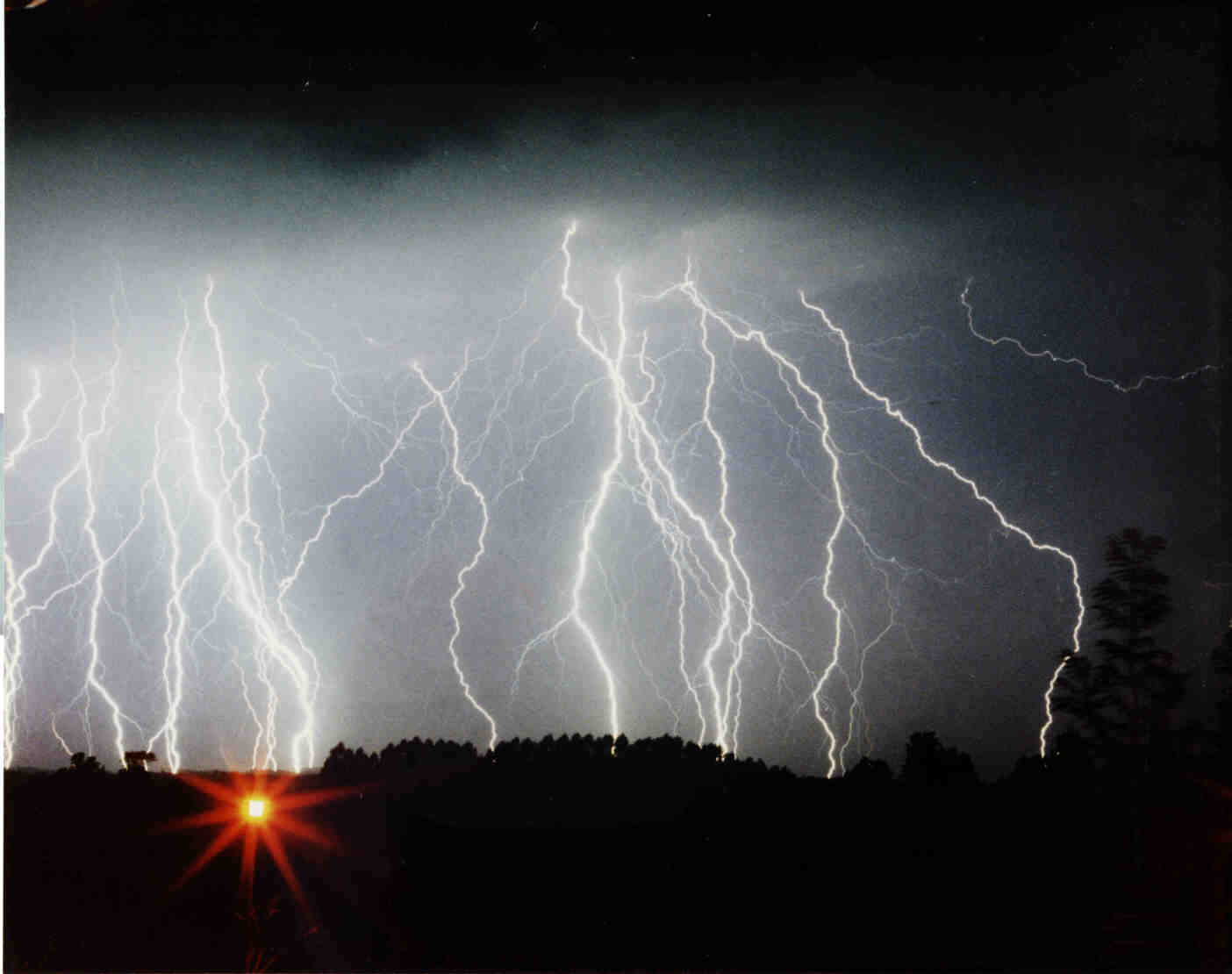
Lightning activity within 15 miles of Miami has jumped 525% in the first half of September compared with the 10-year average. Forecasters expect storms to continue through Tuesday, Sept. 22.
Six people have died from lightning strikes in Florida so far in 2026, making the state the national leader in lightning-related deaths, the Miami Herald reported Wednesday, Sept. 16. For an island where residents spend much of their time on the water, the surge demands attention.
Surge follows an unusually quiet start
The spike followed a quiet start to the rainy season. May and June lightning was 40% to 60% below average in the Miami area, according to Chris Vagasky, a lightning data specialist with the National Lightning Safety Council. Then the pattern flipped: July brought a 288% increase over the 2016-2025 average, and August rose 193%.
"Every cloud-to-ground lightning flash is a potential killer," Vagasky told the Herald.
He pointed to atmospheric instability as a possible driver. Warmer conditions allow more particle collisions inside thunderclouds, increasing electrification. He cautioned that multiple factors could be at play.
Recent strikes have turned deadly
The consequences have been deadly. Kenya Glasgow and her 2-year-old daughter were killed by a lightning strike Aug. 23 in Margate. Three days earlier, boat captain Rick Stanczyk was struck while piloting his fishing boat in Florida Bay near Islamorada, according to Keys Weekly. He was hospitalized at HCA Kendall Florida Hospital as a trauma alert and later released.
Closer to home, Miami-Dade Sheriff's Office Sgt. Paul Villaverde was injured Sept. 3 when lightning hit his car near the Miami-Dade Fire Rescue Training Center in Doral. He has since returned to work, according to the sheriff's office.
More storms expected through the weekend
National Weather Service Miami forecasters predict storms with 60% to more than 80% rain chances starting Thursday, Sept. 17, and continuing through the weekend. Nico Porcelli, a forecaster with the NWS, said this year's El Niño pattern could extend above-average thunderstorm activity into the winter months.
Ana Torres-Vazquez, lead meteorologist at the NWS South Florida office, said Sept. 4 that the region has averaged about two lightning deaths and eight injuries per year over the past 30 years. This year's toll already exceeds that pace.
What boaters and beachgoers should do
The National Weather Service boating safety guidance advises boaters not to go out if thunderstorms are possible. Those already on the water should head to port immediately. A lightning strike to a vessel can cause fire or knock out electronics. On boats without a cabin, stay as low as possible.
The National Oceanic and Atmospheric Administration's lightning safety page advises everyone to go indoors when thunder sounds and stay inside until 30 minutes after the last clap. Lightning can strike more than 10 miles from the rain.
If a building is not available, a car with windows rolled up is the next safest option. Avoid touching anything connected to the ignition or plugged into a power outlet, Vagasky said.




.jpg)