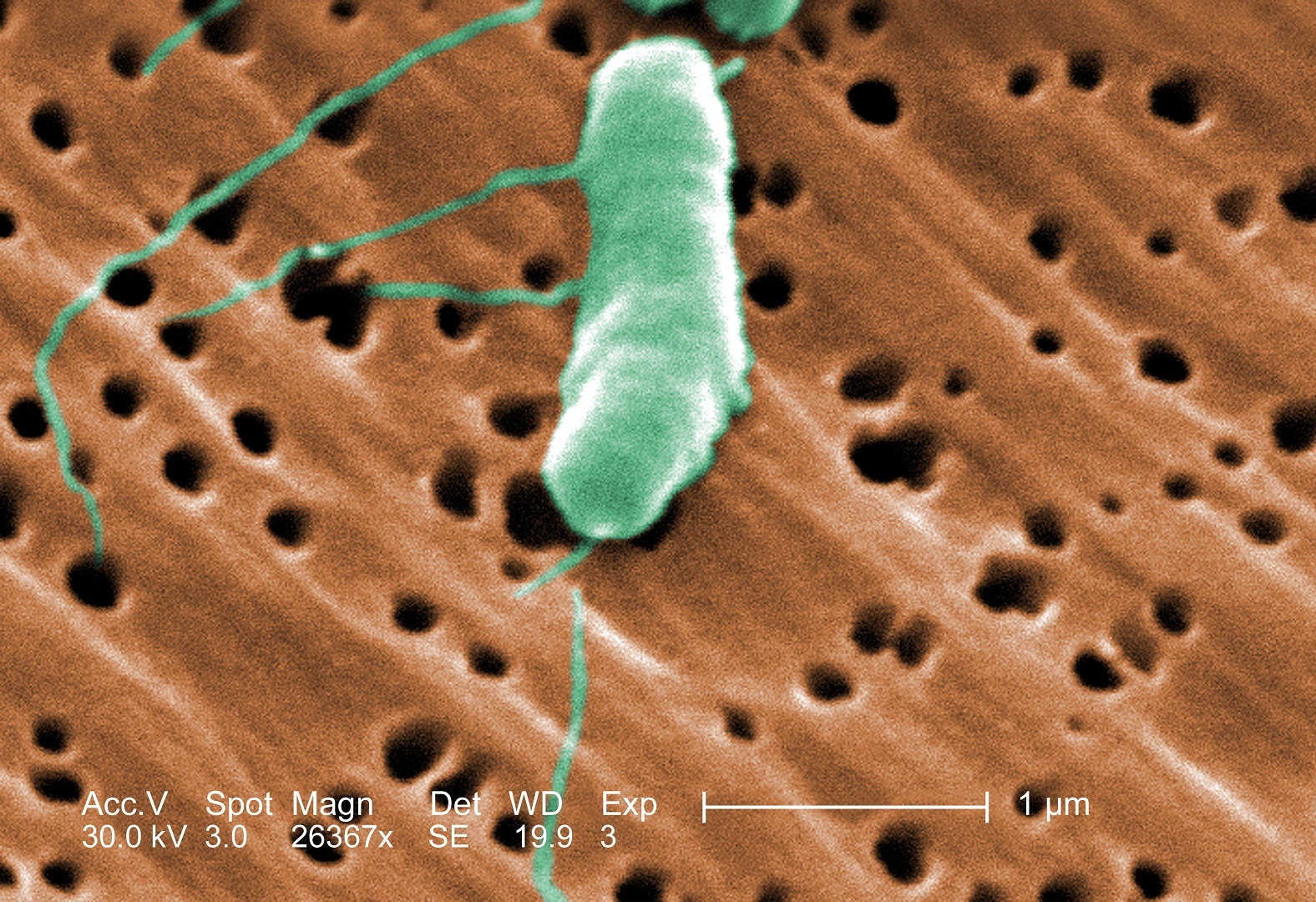
Florida's first Vibrio vulnificus death of 2026 is raising the stakes for Key Biscayne and Coconut Grove residents heading into local waters during the two-day lobster miniseason, which began Wednesday, July 29.
Palm Beach County Resident Dies From Infection
A Palm Beach County resident between 80 and 84 years old died from the infection, according to Florida Department of Health surveillance data updated Thursday, July 23. The death was reported to the state in June. Officials have not disclosed how the person contracted the bacteria.
Miami-Dade County has recorded two confirmed Vibrio vulnificus cases in 2026, the FDOH data shows. Statewide, 11 cases have been confirmed across eight counties since Jan. 1.
Miniseason Draws Divers Into Local Waters
The lobster miniseason runs Wednesday, July 29, through Thursday, July 30, drawing thousands of recreational divers and snorkelers into South Florida waters, including Miami-Dade County reefs and areas surrounding Biscayne Bay. The Biscayne Bay/Card Sound Lobster Sanctuary itself is closed to harvesting year-round, but surrounding waters are open.
The Miami-Dade County Health Department was not available for comment on local Vibrio risk during the miniseason.
How the Bacteria Spreads
Vibrio vulnificus occurs naturally in warm, brackish coastal water. Concentrations peak between May and October as water temperatures rise, according to the Florida Department of Health.
People contract the bacteria in two ways: by eating raw or undercooked shellfish, especially oysters, or by exposing an open wound, cut, scrape, fresh tattoo, or piercing to warm coastal water.
Who Is Most at Risk
People with chronic liver disease, diabetes, cancer, HIV, kidney disease, or weakened immune systems are 80 times more likely to develop a bloodstream infection from Vibrio vulnificus than healthy individuals, according to FDOH data.
"So people that are immunocompromised, have chronic kidney disease, have chronic liver disease. Those people would be more at risk of potentially, if they have an open wound and get into that water, coming down with this bacterial infection," Melissa Davidson, an infection prevention specialist at HCA JFK North Hospital in West Palm Beach, told WPBF on Friday, July 24.
About one in five people with a Vibrio vulnificus infection die, sometimes within a day or two of symptoms appearing, according to the CDC. In another 2026 case, a 74-year-old in St. Johns County required a leg amputation above the knee after briefly swimming with an open wound.
What to Watch For
Wound infection symptoms include fever, redness, pain, swelling and discharge. Bloodstream infections can cause dangerously low blood pressure and blistering skin lesions.
Infections can turn severe within hours.
Precautions for Divers and Swimmers
The Florida Department of Health recommends:
- Keep open wounds and broken skin out of warm salt or brackish water
- Wear protective gloves when handling raw shellfish
- Avoid raw or undercooked oysters
- Wear foot protection on the beach if immunocompromised
- Seek immediate medical care if symptoms develop after water exposure or raw shellfish consumption
No Beach Closures Issued
No beach closures have been issued.
The FDOH describes the 2026 infections as sporadic and not linked to a common source. The U.S. Coast Guard and Florida Fish and Wildlife Conservation Commission are actively patrolling coastal waters during the miniseason. The FDOH updates its Vibrio surveillance data regularly through the warm season, which runs through November.