
Miami-Dade's hospitality businesses face new pressure to divert food scraps from the landfill under a sweeping waste-reduction plan unveiled Friday, July 31, at the Miami Marriott Biscayne Bay Hotel.
The county's Zero Waste Master Plan, four years in the making, lays out more than 30 strategies to raise recycling rates to 77% by 2039. The hospitality industry is the county's largest business sector, and the plan puts restaurants, hotels, and event venues at the center of the effort. For Coconut Grove and Key Biscayne operators, that means a coming "Green Business Certification" program, food-waste composting partnerships, and a potential weight-based garbage fee for residents that could reshape how the entire waste stream works.
"The hospitality industry plays such a critical role in the success of the community, so we need to be part of the solution as well," Rolando Aedo, chief operations officer of the Greater Miami Convention & Visitors Bureau, said at the press conference.
Mayor Daniella Levine Cava called the county's waste crisis a "massive challenge but massive opportunity," the Miami Herald reported. She pointed to the Miami Marriott as a "poster child" for the strategy: no single-use plastics were available inside the venue, and all excess food from the event was donated.
What the plan asks of businesses
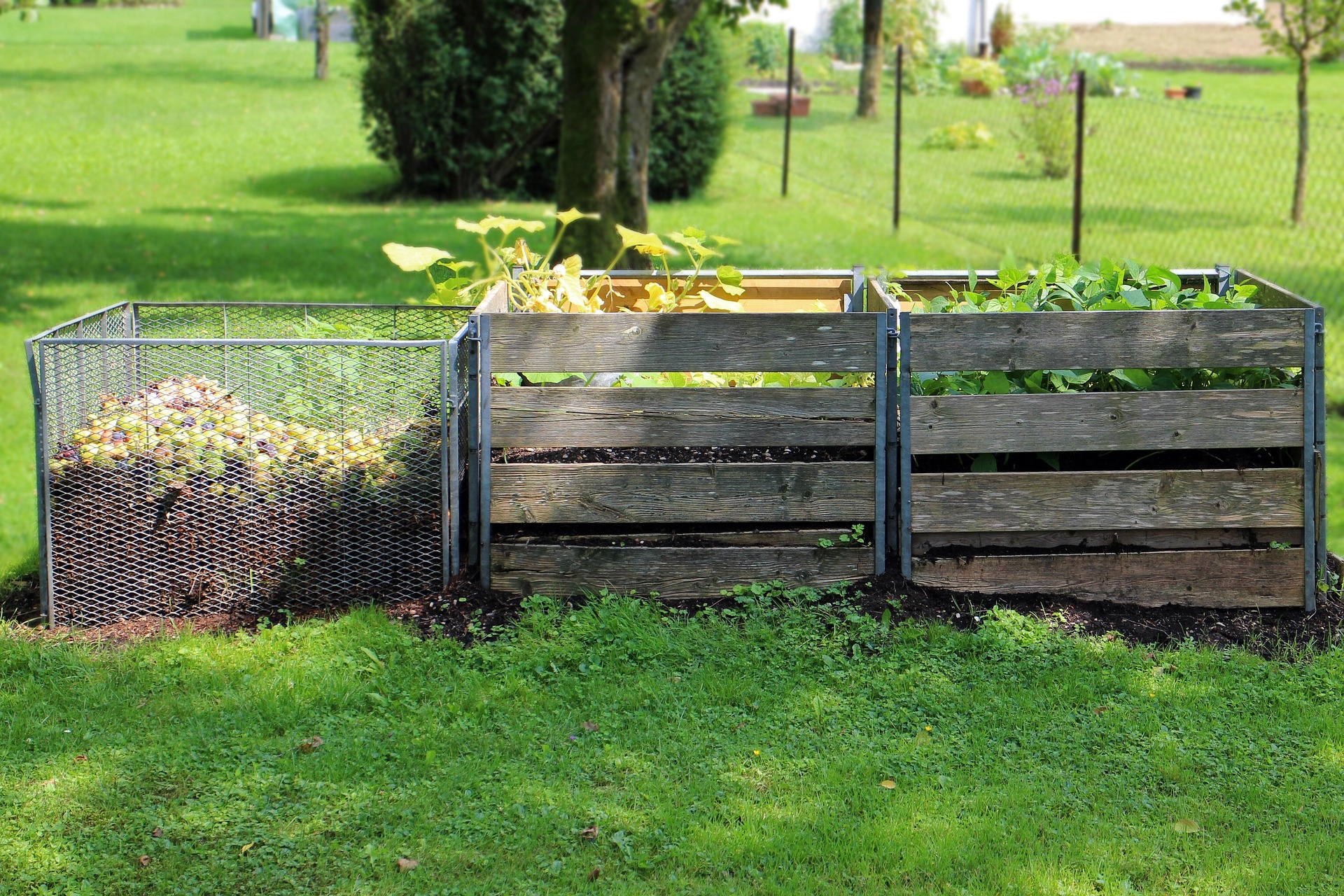
Short-term goals include offering a Green Business Certification to restaurants that stop sending food scraps to the landfill. The plan also calls for partnerships to donate surplus food to people or animals, or to compost it. Events and venues would be asked to develop zero-waste strategies and switch to reusable silverware or compostable materials.
Longer-term, the county envisions commercial dish-washing businesses so restaurants, food trucks, and festivals that lack space to wash dishes on-site can still use reusable materials.
Levine Cava noted that some hospitality partners already participate in the Green Key Global Certification Program, which she described as "part of our zero waste vision," according to WLRN.
Miami-Dade's landfill could reach capacity within five years, according to Aneisha Daniel, director of the Miami-Dade County Solid Waste Department. The county produces more than five million tons of waste annually, double the national average, and spends an estimated $65 million this fiscal year shipping garbage by rail to other parts of Florida after its waste-to-energy incinerator burned down in 2023.
A 2024 county review found that food waste (21%), paper (20%), and plastic (15%) top the list of what single-family homes throw away. Commercial businesses showed the same pattern.
Key Biscayne already composting
Key Biscayne's community compost program, run by A Zero Waste Culture since 2020, has diverted 205 tons of food scraps from landfills as of late July 2026. The program collects scraps from households, schools, and businesses, with Saturday drop-offs at the Farmers Market at Key Biscayne Community Church, 355 Glenridge Rd. Drop-offs resume Saturday, August 8, after a two-week pause.
The county has not announced a timeline or application process for the Green Business Certification, nor a public comment period for the proposed "Save As You Throw" weight-based fee. The full plan is posted at miamidade.gov/global/solidwaste/zero-waste/home.page.




.jpg)