
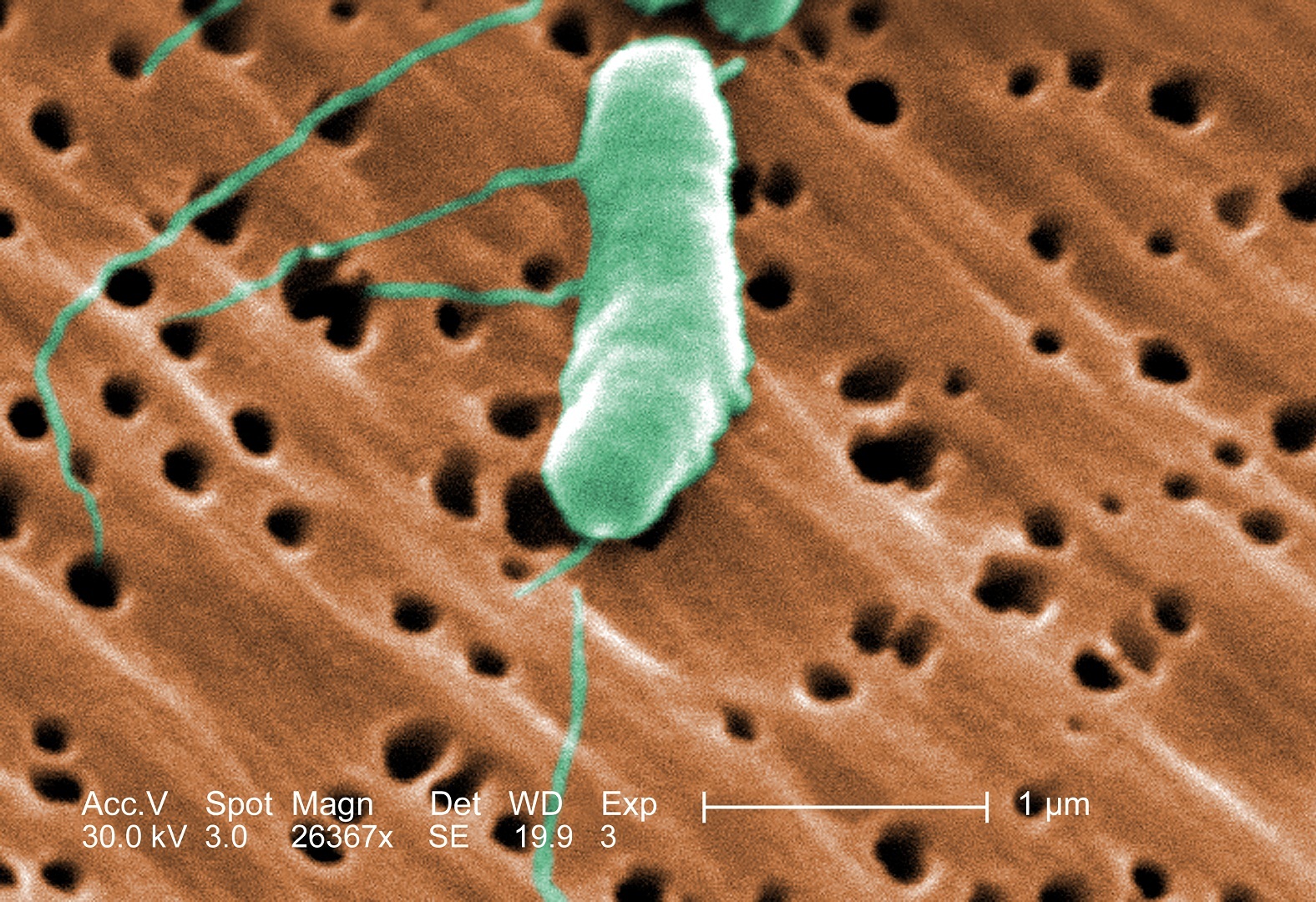
A second Floridian has died from Vibrio vulnificus this year, and Miami-Dade County now has two confirmed cases of the potentially fatal bacteria that thrives in warm, brackish coastal waters like those around Key Biscayne and Coconut Grove.
The Florida Department of Health confirmed the death in a data update that appeared Aug. 6. The victim was a Marion County resident older than 60 whose infection was reported in late May or late June, according to WUSF. State officials have not released the person's name or how the infection was contracted.
Florida's first Vibrio death of 2026 was a Palm Beach County resident between 80 and 84 years old, reported earlier this summer.
As we reported July 29, Miami-Dade's first confirmed case coincided with lobster miniseason. The county now has two confirmed infections, tying it with Lee, Marion and Palm Beach counties for the highest case count in the state. The health department has not disclosed how either Miami-Dade case was contracted.
Statewide, 14 cases and two deaths have been reported since Jan. 1, according to the department's Reportable Diseases Frequency Report, last updated Aug. 1. Ten counties have recorded infections: Bay, Brevard, Hillsborough, Lee, Marion, Miami-Dade, Okaloosa, Palm Beach, Polk and St. Johns.
The numbers remain well below 2024's spike of 82 cases and 19 deaths, many linked to storm surge from Hurricane Helene. In 2025, Florida recorded 33 cases and five deaths.
A Brevard County victim listed in the Aug. 6 update is between 10 and 14 years old, younger than the typical Vibrio patient profile of older adults with underlying conditions.
Why it matters locally
Florida's regular spiny lobster season opened Aug. 6 and runs through March 31, 2027, according to the Florida Fish and Wildlife Conservation Commission. That keeps local divers and snorkelers in Biscayne Bay waters throughout peak Vibrio season, which runs May through October when water temperatures are highest.
The Florida Department of Health says about 20% of people diagnosed with a Vibrio vulnificus infection will die, and many survivors require intensive care or limb amputations. Infections can become life-threatening within hours.
People at greatest risk include those with chronic liver disease, cancer, diabetes or HIV. A recent study found people with these conditions were 80 times more likely to develop Vibrio bloodstream infections than healthy individuals.
Gulf Coast surge
Other Gulf states are seeing similar escalation. Louisiana reported nine Vibrio vulnificus cases in 2026 with five deaths, all involving wounds exposed to seawater and patients with underlying health conditions, according to the Louisiana Department of Health. Over the previous decade, Louisiana averaged seven cases and one death per year.
How to protect yourself
The bacteria enters the body two ways: eating raw or undercooked shellfish, especially oysters, or through an open wound that contacts warm saltwater or brackish water. Wounds from recent surgery, piercings or tattoos all count.
The CDC recommends:
- Stay out of saltwater or brackish water if you have any wound.
- Cover wounds with a waterproof bandage if water contact is possible.
- Wash wounds thoroughly with soap and water after any contact with saltwater, brackish water or raw seafood.
- Do not eat raw or undercooked oysters or shellfish.
Symptoms of wound infection include fever, redness, pain, swelling and discharge. Bloodstream infection symptoms include fever, chills, low blood pressure and blistering skin lesions. Anyone experiencing these symptoms after water or seafood exposure should seek emergency medical care immediately.




.jpg)