
Mayor Eileen Higgins said she will sign legislation ending the City of Miami's immigration enforcement partnership with ICE, a move that would change how police operate in Coconut Grove, where the department serves as the primary law enforcement agency.
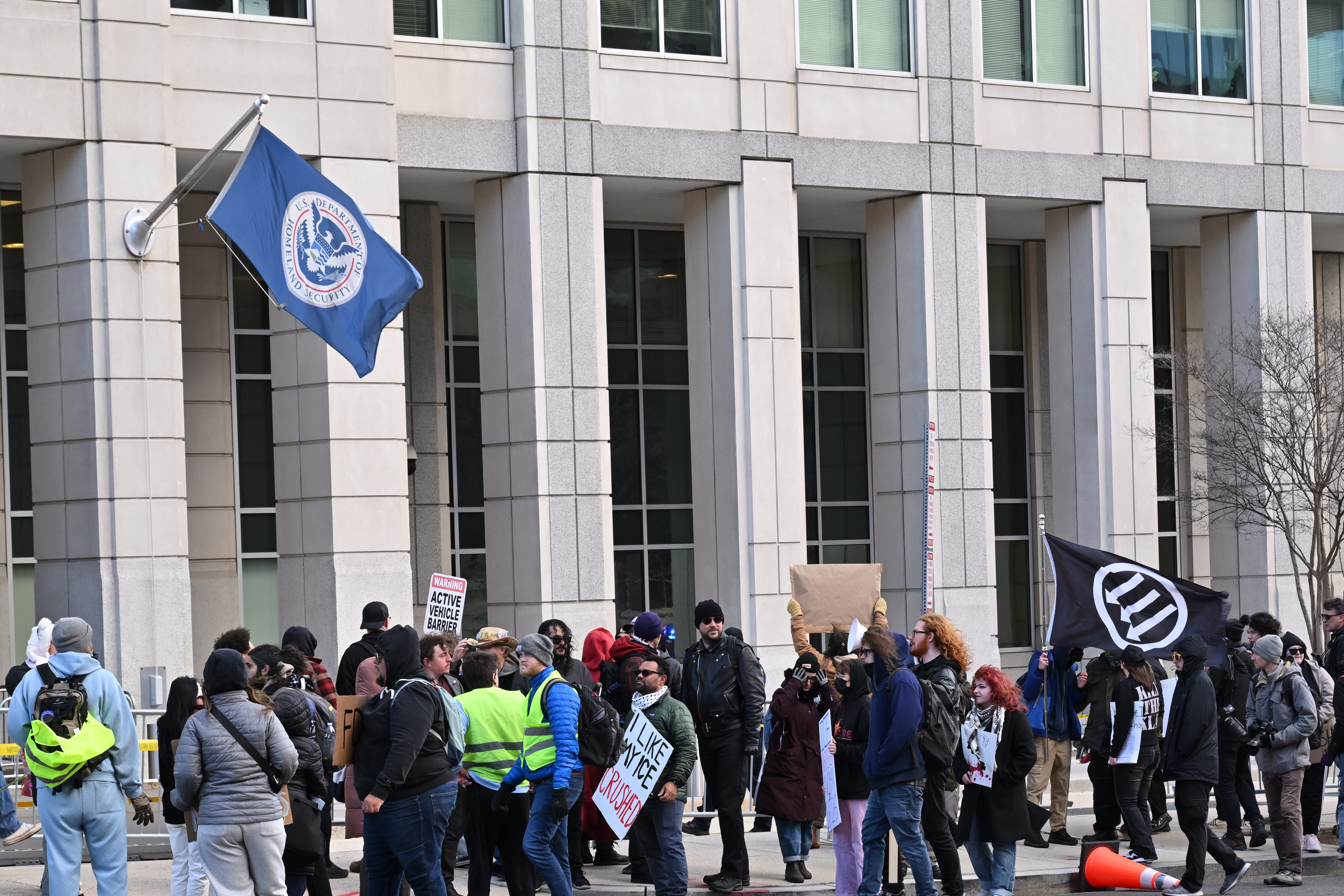
About a dozen activists rallied outside Miami City Hall on Monday, Aug. 3, demanding the city scrap its 287(g) agreement with U.S. Immigration and Customs Enforcement. The federal program allows trained local officers to carry out immigration enforcement actions. Higgins, who campaigned against the agreement before winning office in December 2025, said in a statement she looks forward to legislation "reaching my desk so I can sign it swiftly," according to the Miami Herald.
The practical footprint in Coconut Grove and across the city has been small. City Manager James Reyes told commissioners at a June 25 meeting that only two Miami police officers are trained under the program, according to Miami Today News. Those detectives assist only after a serious-crime arrest, not during routine patrols. In the program's first year, Miami police issued just 14 immigration detainers, all tied to serious crimes or repeat offenders.
Police Chief Edwin Lopez urged residents at the same June 25 meeting not to avoid calling 911 out of fear of immigration enforcement, saying officers do not stop people based on appearance or request immigration documents during routine encounters.
The fear is real for some.
Commissioner Rolando Escalona, a Republican who came to Miami from Cuba 12 years ago, disclosed at the June meeting that his wife received an immigration notice despite having no criminal record. "For a full week we couldn't sleep," he said.
Three of five commissioners expressed willingness to end the agreement at that June 25 session: Escalona, along with Democrats Christine King and Damian Pardo. That bipartisan majority is enough to pass repeal legislation. But the commission is in summer recess, with its next meeting scheduled for September.
King dismissed the financial risk at the June meeting, saying $7.5 million "is worth saving a life, a family." City Attorney George Wysong had warned that exiting the agreement could cost the city roughly that amount in state funding.
The financial risk is not hypothetical.
Wysong told commissioners that Florida Attorney General James Uthmeier previously threatened officials in Fort Myers and Key West with removal proceedings after those cities tried to exit their own 287(g) agreements, citing a state law banning sanctuary policies. Both cities reversed course.
Arianne Betancourt of the Workers Circle nonprofit, who spoke at Monday's rally, said the agreement discourages residents from seeking help, telling the crowd that people are afraid to call police.
For Coconut Grove residents, the question is whether the commission will act when it reconvenes in September. Higgins cannot vote on the five-member commission but can veto legislation and lobby commissioners privately. She needs three votes to pass a repeal.





.jpg)