
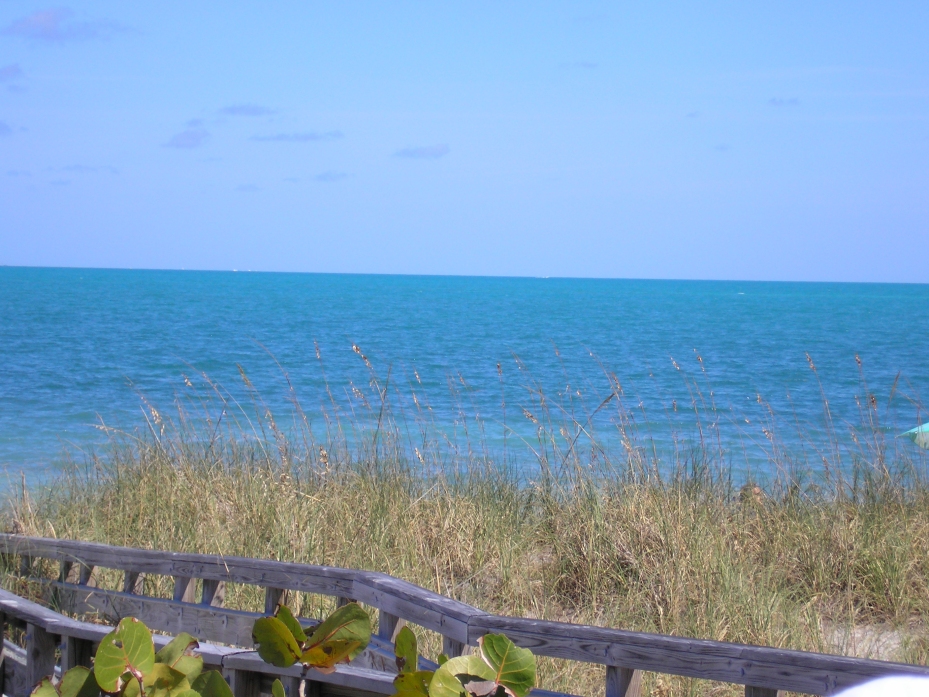
Miami-Dade County crews removed 9,000 tons of sargassum from local beaches in July, the most the county has ever cleared in a single month, as Key Biscayne's Crandon Park and other shorelines faced relentless accumulation of the brown seaweed.
The county spends $3 million a year fighting sargassum across 17 miles of public beach, more than any other county in Florida, according to Chris Bumpus, chief of conservation for Miami-Dade County's Parks, Recreation and Open Spaces Department. The tab is covered by tourist development taxes collected from hotel and short-term rental guests.
"Back in July, the beach looked clean for about an hour," Bumpus told The Guardian on Aug. 18, describing how quickly the seaweed returned after tractors and specialized beachcombing vehicles finished their morning runs. Each day during peak season, a crew member walks onto South Beach around 7 a.m. to photograph the overnight pileup before a dozen machines begin work.
Bumpus expects conditions to ease by October.
County commissioners push for faster permits
On July 21, the Miami-Dade Board of County Commissioners adopted Resolution R-690-26, directing the county mayor to ask the Florida Department of Environmental Protection to loosen the county's mechanical beach-cleaning permit. The change would let Miami-Dade designate new sargassum "hot spots" for heavy-equipment removal without seeking fresh FDEP approval each time.
Commissioner Micky Steinberg was the prime sponsor, with co-sponsors Natalie Milian Orbis, Raquel A. Regalado and Anthony Rodriguez.
Crandon Park on Key Biscayne is already listed as a permitted hot spot under the existing FDEP permit, alongside Miami Beach and Haulover. But the current rules require the county to go back to the state before adding any new locations. The resolution aims to eliminate that bottleneck.
Equipment use is still restricted during sea turtle nesting hours, from 30 minutes before sunset until sunrise. About 700 sea turtles have nested on county beaches so far this season, and crews must mark each nest before cleanup begins.
Scientists: problem is accelerating
Satellite imagery this summer showed 33.5 million tons of sargassum floating in the Great Atlantic Sargassum Belt, the second-highest amount ever recorded and just below the 2025 peak of 38 million tons, according to Key Biscayne Portal. Since scientists first observed the belt in 2011, the volume has roughly doubled every five years.
Brian LaPointe, a research professor at Florida Atlantic University's Harbor Branch Oceanographic Institute who has studied sargassum since 1982, told The Guardian that warming oceans drive heavier rains, which flush more nutrients from land into the sea and feed the blooms. Scientists have identified nitrogen and phosphorus runoff from major rivers, including the Amazon, Congo and Mississippi, as key contributors.
LaPointe said excessive sargassum smothers coral reefs and seagrass beds, creates oxygen-depleted dead zones and produces hydrogen sulfide odors that pose a health risk to beachgoers.
Federal and state agencies currently prohibit removing sargassum in open water because of the marine life that shelters in the floating mats. Mexico has taken a different approach: President Claudia Sheinbaum announced a $115 million national plan that includes ships scooping seaweed before it reaches shore.
The county's petition to FDEP for the permit modification is pending. No response deadline has been publicly announced.



.jpg)