
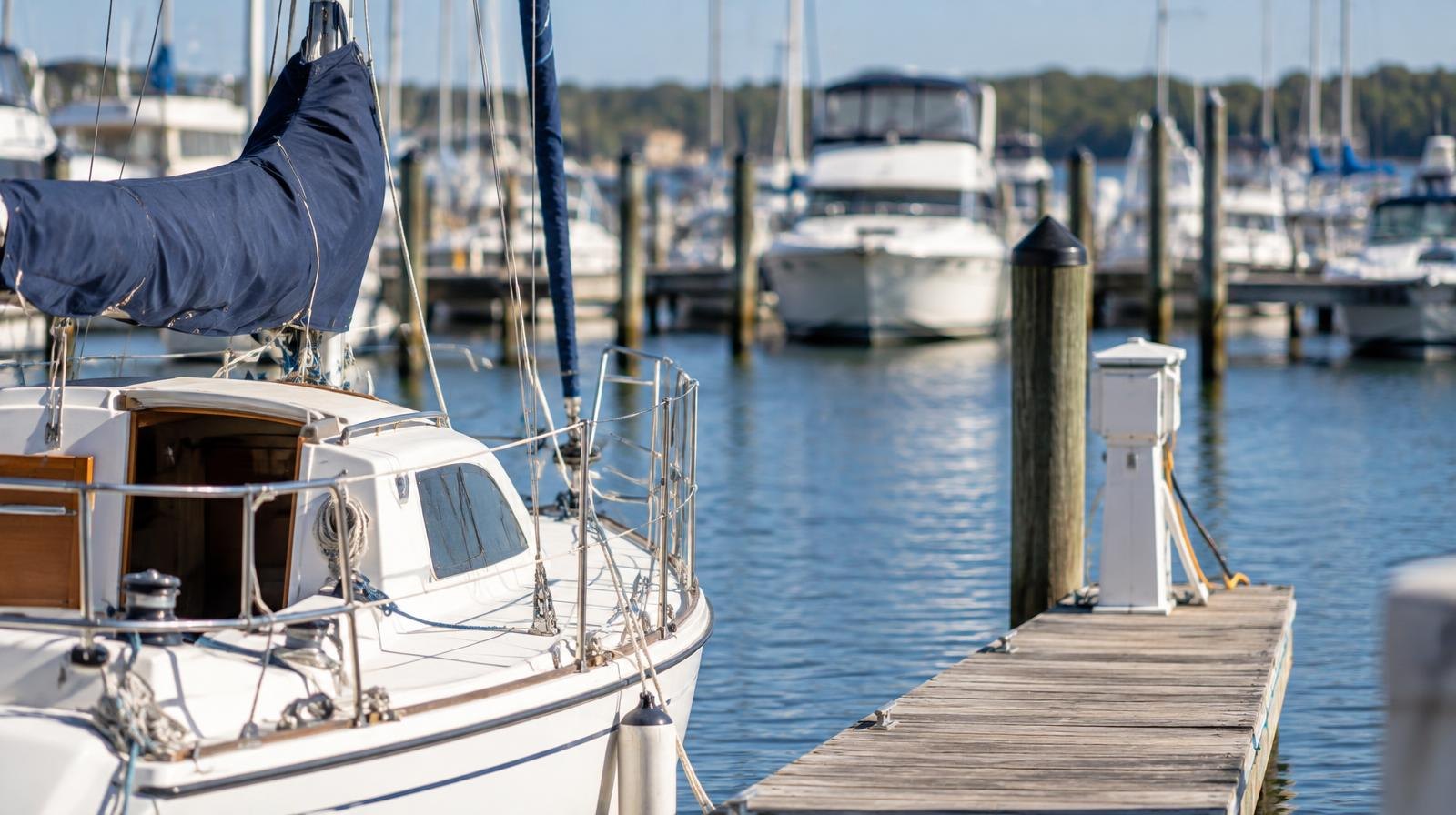
Rickenbacker Marina President Aabad Melwani is leading a campaign against a proposed 75-year lease of Virginia Key waterfront property, arguing the agreement would shortchange Miami taxpayers, displace businesses and threaten sensitive marine habitat.
City of Miami voters will decide Referendum 3 on Tuesday, Nov. 3. The measure would authorize a lease of 27.62 acres to Virginia Key LLC, a partnership between RCI Group and Suntex Marinas, for an initial 45 years with two 15-year renewal options.
The proposed agreement calls for a minimum guaranteed annual rent of $2.2 million, with annual increases, plus 6% of gross revenue. The developer would also invest approximately $80 million in improvements to the Rickenbacker and Marine Stadium marinas.
The measure requires a majority of votes cast to pass.
Although Key Biscayne residents cannot vote on the referendum, the proposed redevelopment would affect waterfront property along the Rickenbacker Causeway, the island's only road connection to the mainland.
Melwani, 47, a Key Biscayne native and second-generation marina operator whose family has operated the facility since 1983, co-founded the Protect and Preserve Miami campaign opposing the agreement.
He argues the proposal would reduce city revenue, threaten existing businesses and damage Biscayne Bay's fragile ecosystem, the Islander News reported.
"I'm not against progress, not against development, but when you put all these things together, the cash-flow giveaway, the fragile habitat, the displacement of businesses, why would anyone vote for this?" Melwani told the Islander News.
Competing revenue estimates fuel dispute
The financial impact of the proposed lease has become a central point of contention.
Melwani said the city currently collects approximately $3 million annually from the waterfront property, including about $2 million in rent from Rickenbacker Marina and $1 million in net income from the adjacent city-operated dry-stack facility.
In a September opinion column, Melwani argued that the proposed $2.2 million starting rent would leave the city financially worse off.
However, his estimate includes both rental payments and income from the city-operated facility, while the proposed agreement combines guaranteed rent with a percentage of gross revenue. The figures are not directly comparable without accounting for those differences.
RCI Group President Robert W. Christoph Jr. disputed Melwani's assessment.
Christoph said city-commissioned appraisals found the proposed rent exceeded market value. He also said the guaranteed starting rent was more than six times what the current marina operator pays and that total annual payments could approach $4 million when the revenue-sharing provision is included, according to the Miami Herald.
The proposed guaranteed rent would increase annually. Over the initial 45-year term, those payments would total approximately $203.98 million, excluding the percentage of gross revenue.
An independent appraisal by Anthony M. Graziano, CEO of Integra Realty Resources, reached a different conclusion.
Graziano estimated the proposed starting rent was $609,000 annually below fair market value, the Herald reported.
The competing valuations remain disputed.
Court allows referendum to proceed
A legal challenge to the referendum failed to prevent the measure from appearing on the November ballot.
In late August, Miami-Dade Circuit Judge Lisa Walsh denied a request for an injunction filed by Melwani and Adam Gersten, owner of Gramps Getaway, a restaurant operating on the waterfront property.
The lawsuit challenged the referendum's ballot language, arguing it was misleading.
Walsh's ruling allowed the vote to proceed but did not determine whether the proposed lease represented fair market value or resolve every issue raised in the lawsuit, Florida YIMBY reported.
Attorneys representing Rickenbacker Marina said they intended to continue challenging the agreement's valuation.
They stated they "look forward to proving in court that this 75-year lease is 30% and many millions of dollars below fair market value."
Melwani has also questioned whether existing businesses would be protected under the redevelopment agreement.
In his September opinion column, he said there was "no real written offer or agreement" guaranteeing that Gramps Getaway could remain, despite assurances from supporters of the project.
The approximately 27-acre property includes the restaurant, other businesses and more than 300 boat slips.
Environmental concerns draw competing claims
Opponents have raised concerns about the potential environmental impact of redeveloping the waterfront property.
Melwani contends that the project could require extensive demolition and dredging to accommodate larger yachts, potentially affecting Biscayne Bay's marine habitat.
Suntex representatives disputed some of those claims, according to the Islander News.
Noel Cleland, chair of the Sierra Club Miami Group and a Coconut Grove resident, has also urged voters to reject the referendum, citing concerns about manatees, dolphins and seagrass.
Those potential impacts remain disputed and would depend on the scope of redevelopment and applicable environmental approvals.
Separately, the existing marina's environmental compliance history has drawn scrutiny.
Florida Politics reported that Miami-Dade County's Division of Environmental Resources Management had 69 violation and compliance entries involving Rickenbacker Marina dating to 1994.
An April 2023 inspection classified the facility as "Major Out of Compliance."
The county issued a return-to-compliance letter concerning the marina's fuel system Jan. 3, 2025.
Those records concern the existing marina's operations and are separate from the potential environmental effects of the proposed redevelopment.
Years of litigation lead to November vote
The proposed lease stems from a city request-for-proposals process dating to 2017.
Rickenbacker Marina's original ground lease expired in 2016, and Virginia Key LLC was selected through the city's competitive bidding process.
In 2021, Virginia Key LLC sued the city over the stalled agreement.
A circuit court judge subsequently ordered the proposal submitted to voters, and Florida's Third District Court of Appeal upheld that decision.
The Miami City Commission voted unanimously in June to place the referendum on the November ballot.
Despite supporting the ballot placement, Commissioner Miguel Angel Gabela criticized the financial terms.
He called the proposal "a bad deal for the city" during the June commission meeting, according to the Miami Herald.
The referendum will determine whether the city may proceed with the long-term lease, but voter approval would not eliminate other legal and regulatory requirements associated with redevelopment.
For Key Biscayne residents, the outcome could shape the future of a major waterfront property along the island's principal transportation corridor, even though they have no vote in the decision.
City of Miami voters will decide Referendum 3 on Nov. 3.





.jpg)