
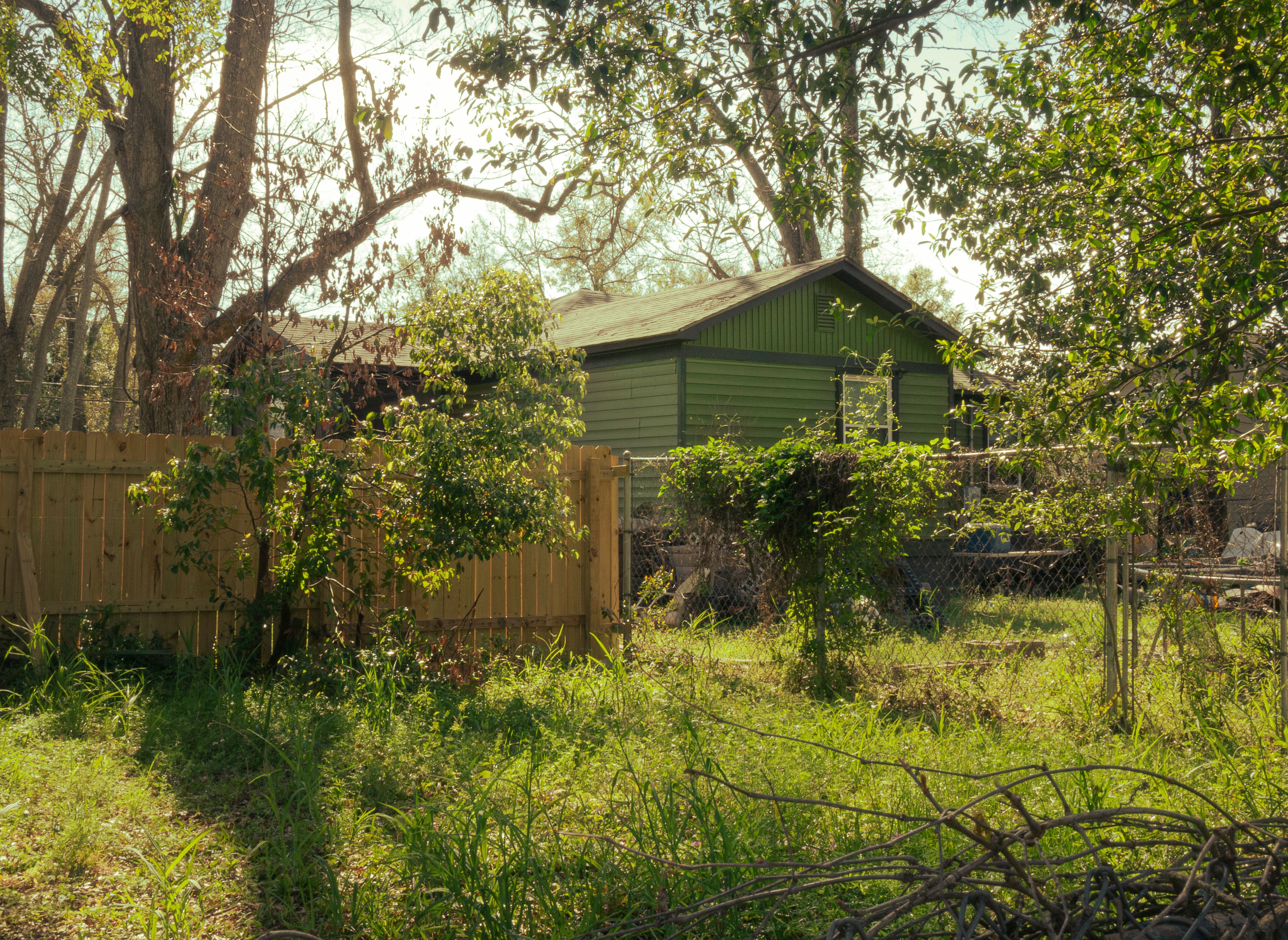
The Miami City Commission voted unanimously Thursday, July 30, to allow small detached cottage homes on narrow residential lots citywide, opening a path for new construction on long-vacant parcels in Coconut Grove's West Grove.
The zoning change lets developers build on lots that sat empty for years because they were too small under previous rules. For West Grove neighbors, the ordinance also nods to the neighborhood's Bahamian roots. Narrow shotgun-style homes built by immigrants beginning in the 1870s once defined the area's streetscape.
"We're bringing a modern version of the shotgun home back into this area," said Marcelo Fernandes, owner of Grove Properties, who has advocated for cottage zoning for five years and spent the past 18 months working with the city's Planning Department on the new definition.
Fernandes is already proposing a six-cottage demonstration project on three lots on Plaza Street in the West Grove. That project would require a separate zoning change, however, because the lots are zoned T3-R, which the July 30 ordinance does not yet cover. He has asked District 2 Commissioner Damian Pardo and Mayor Eileen Higgins to endorse the effort.
Under the new rules, cottages must sit on lots 25 to 35 feet wide and 2,500 to 5,000 square feet in area, according to the Coconut Grove Spotlight. Buildings can cover no more than 50 percent of the lot and must maintain 20-foot setbacks from front and rear property lines and three feet from each side.
Qualifying lots fall into two categories: T3-O lots in a Transit-Oriented Development area or Transit Corridor with public sewer access, and non-conforming T3 lots that met the cottage size standards as of May 1, 2026, with sewer access.
Amanda De Seta, head of development at Dragonfly Investments, told commissioners the new rules will let developers build affordable homes far faster than large apartment projects. With proper planning, she said, a cottage project could be finished in less than 18 months. Dragonfly already has two affordable housing efforts underway in the West Grove: a 10-home restoration with Greater St. Paul AME Church and an eight-unit apartment project on Mundy Street valued at $4.4 million.
De Seta said she is particularly excited about activating non-conforming lots in the Grove that have long sat vacant because they failed to meet previous size requirements.
Not everyone supports the change.
Elvis Cruz, a Morningside resident and community watchdog, argued the ordinance's relaxed rules on porches and porticos could encourage developers to maximize building footprints at the expense of green space. Under the updated code, front porches and porticos may extend into up to 50 percent of the required front setback and no longer count toward lot coverage in T3 zones. Cruz said that effectively incentivizes a front porch 10 feet deep.
The ordinance was framed in part as a counter to the boxy two-story "sugar cube" homes that critics say clash with existing neighborhood character. The city's Planning Department staff report described the goal as reinforcing established neighborhoods while supporting a broader range of housing types at different price points.
Fernandes acknowledged one limitation: because T3-O lots already allow duplexes, building two detached cottages there simply swaps one housing type for another without adding supply. Real gains, he said, would come from expanding the code to T3-R lots.
Coming up
Friends of Cape Florida will host a free community celebration at Bill Baggs Cape Florida State Park (1200 S. Crandon Blvd., Key Biscayne) on Friday, August 7, from 5 to 8 p.m., marking the Cape Florida Lighthouse's 200th anniversary, the nation's 250th birthday, and the Village of Key Biscayne's 35th anniversary. Activities include lighthouse climbs, a virtual 360-degree tour, interactive poetry with O, Miami and Key Biscayne Poetry Share, art projects, and refreshments. Admission is free but tickets are required; the regular park entrance fee applies. A $15 donation is suggested for nonmembers.



.jpg)