
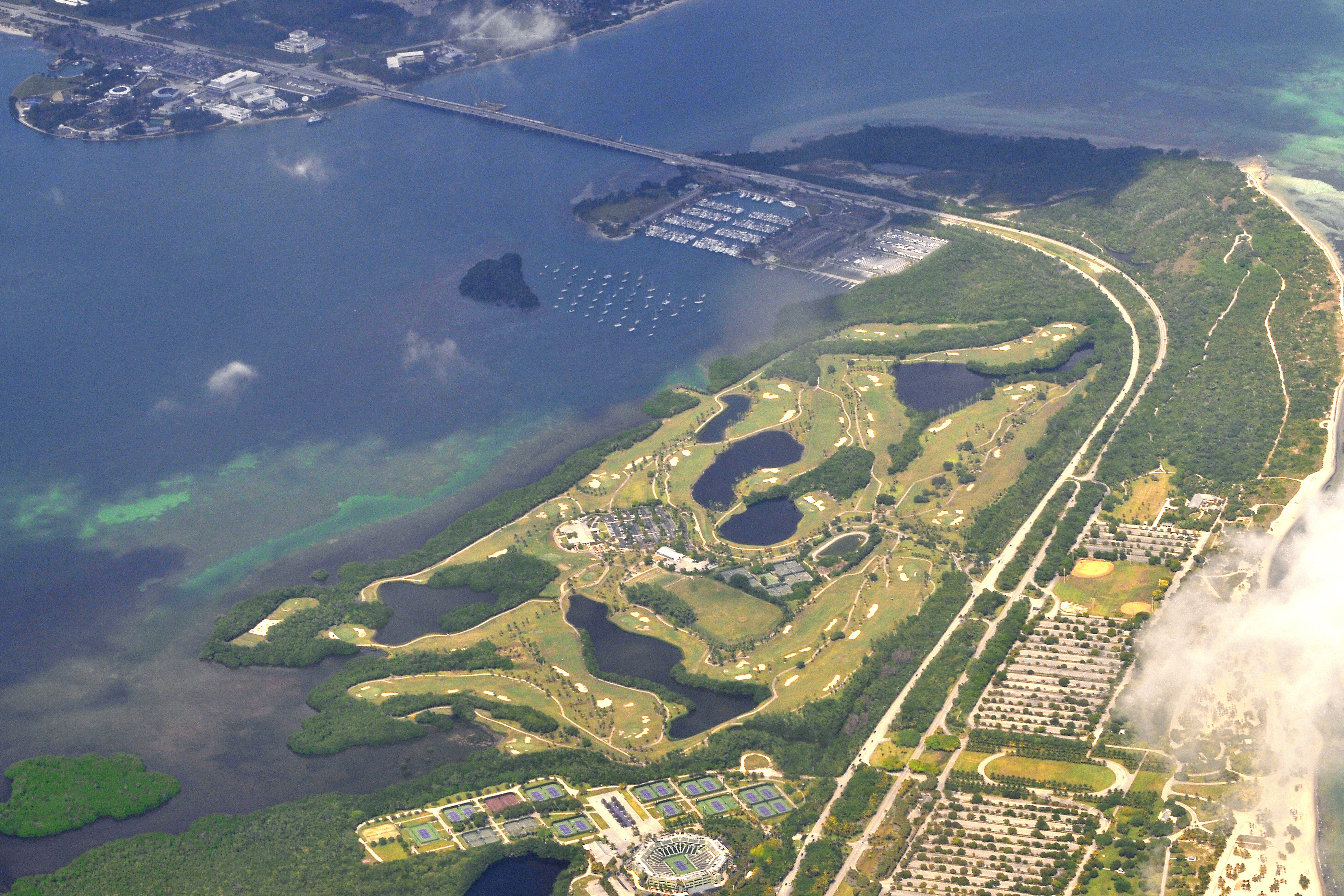
Key Biscayne homeowners pay nearly $20,000 a year for insurance, the highest rate of any ZIP code in the country, even as more than 278,000 residents have left Miami-Dade County this decade amid concerns about hurricanes, rising premiums and sea-level rise.
The island’s 33149 ZIP code carries an average homeowners insurance premium of $19,963 per year, according to Insure.com’s 2026 analysis. That’s nearly eight times the national average of $2,545 and almost triple Florida’s statewide average of $7,136.
Yet property values on the island keep climbing. The typical Key Biscayne home is worth $1,706,575, up 2.6% over the past year, according to Zillow data through June 30. Redfin reported a median sale price of $1,845,608, a 43.3% year-over-year increase, though the comparison period is not specified.
The divergence highlights Key Biscayne’s unusual position: a barrier island facing the same climate pressures affecting migration in the county, but supported by international wealth and cash buyers who may be less sensitive to insurance costs.
Who’s leaving, who’s staying
Miami-Dade had the nation’s third-largest numeric population decline between July 2024 and July 2025, losing 10,115 residents in a single year, U.S. Census Bureau estimates show. The county’s domestic out-migration totaled about 134,000 in 2022.
Ned Murray, associate director of the Jorge M. Pérez Metropolitan Center at Florida International University, told the Sun Sentinel in April that the county is losing its primary working-age population at the highest rate, a trend he said has been building since 2022.
Key Biscayne’s demographics tell a different story. The island’s median household income stands at $181,505, more than double the national median, and 48% of households earn more than $200,000 a year, according to Census data compiled by Funds Society. An estimated 58.1% of residents were born outside the United States. Among Latin American investors in the area, 68% pay for properties entirely in cash, according to the MIAMI Association of Realtors.
Cash buyers are not subject to a mortgage lender’s insurance requirements.
But even they face rising costs: As of Jan. 1, all Citizens Property Insurance personal residential policies that include wind coverage for homes with dwelling values of $400,000 or more must carry separate flood insurance — a requirement likely to affect most island properties.
The cost squeeze ahead
Climate research firm First Street projects that insurance premiums in the Miami area could rise 322% over the next three decades because of climate risk, according to a report in the Key Biscayne Portal citing Inside Climate News. By 2100, South Florida could lose 2.5 million residents to climate migration, the most of any U.S. metro area, according to modeling by Florida State University demographer Mathew Hauer.
Florida premiums have already risen almost 50% this decade. Citizens Property Insurance cut rates 8.7% statewide at spring 2026 renewals, with Miami-Dade receiving a 14% reduction, but Key Biscayne’s private-market rates remain far above Citizens’ rates.
Meanwhile, the broader Miami market is softening. Nearly 80% of Miami-area homes were selling below asking price in early July, according to Islander News.
What the Village is doing
Key Biscayne’s Village government is spending accordingly. The proposed fiscal 2026-27 budget totals $44.5 million, with flood control and public safety as top priorities, fueled by a 4.2% rise in taxable property values.
Rich Doty, a demographer at the University of Florida’s Bureau of Economic and Business Research, said in the Inside Climate News report: “The main reason for increased migration to these inland counties is due to lower housing and living costs,” though he acknowledged that some people are leaving specifically because of climate vulnerability.
The Village’s budget workshop on June 30 set the spending framework; a final budget vote is expected this fall.





.jpg)