
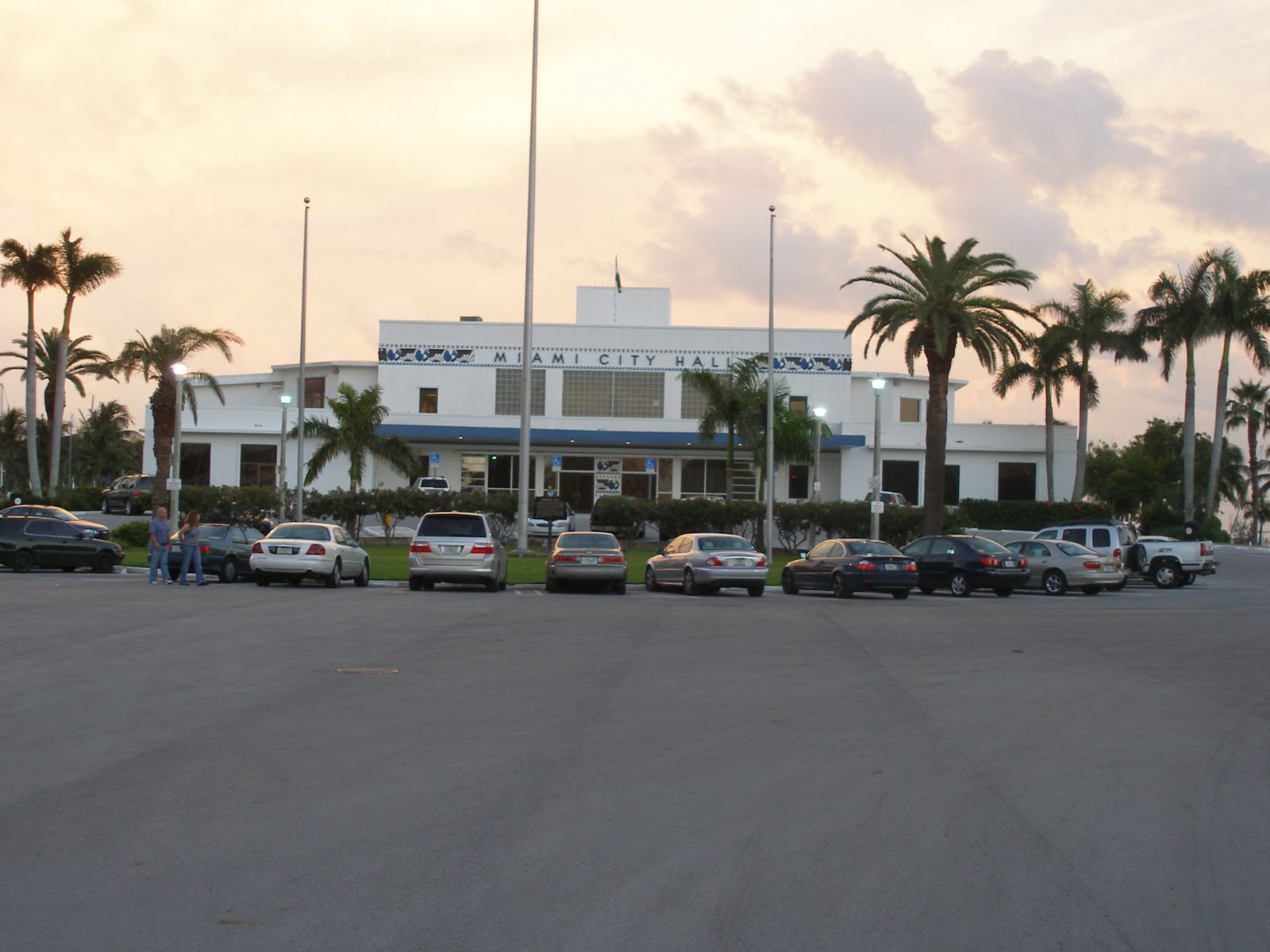
Rescinding Miami's partnership with ICE could put approximately $7.5 million in state funding at risk, City Attorney George Wysong warned commissioners, complicating the push to end the agreement that governs how City of Miami Police handle immigration enforcement in Coconut Grove.
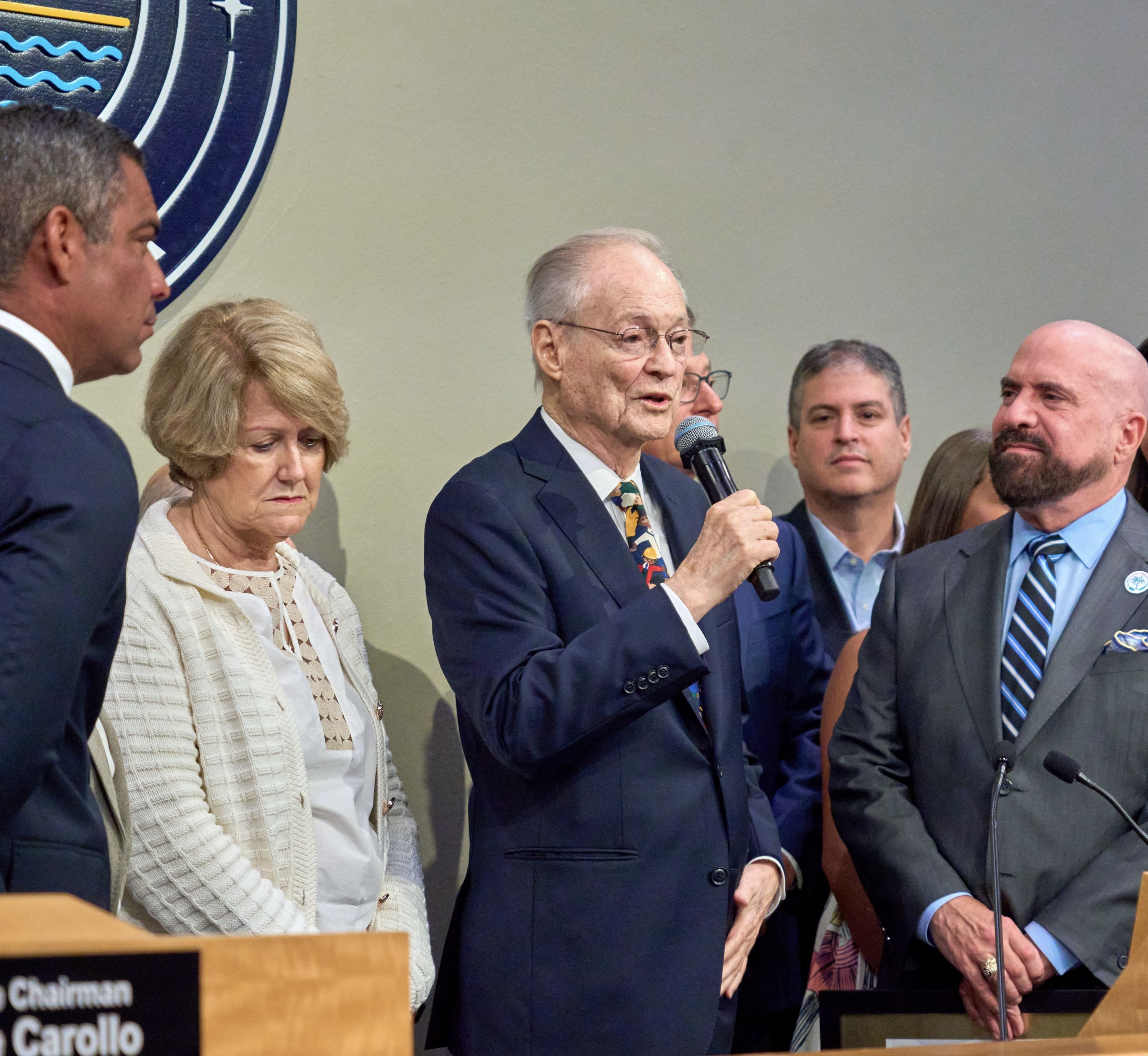
Three of five Miami City Commissioners (Rolando Escalona, Christine King and Damian Pardo) have now expressed openness to ending the 287(g) agreement, enough votes for Mayor Eileen Higgins to sign legislation killing the deal. But the commission is in summer recess, and no vote has been scheduled before it reconvenes in September.
As we reported Tuesday, Aug. 4, Higgins has pledged to sign rescission legislation. The new details emerged from a June 25 commission briefing reported by Miami Today and an Aug. 4 rally outside City Hall covered by the Miami Herald.
Only two officers trained
City Manager James Reyes told commissioners at the June 25 meeting that only two Miami police officers are currently trained under 287(g). A third detective was originally assigned but is no longer active in the role. In the program's first year, Miami Police issued just 14 immigration detainers — 11 tied to serious-crime investigations and three from repeat-offender referrals.
That number is far smaller than it appears on paper. Florida's state 287(g) dashboard attributes 451 detainers to the Miami Police Department, but Reyes said 437 of those were issued by Miami-Dade County jail authorities after city arrests, not by Miami officers directly.
For comparison, between August 2025 and July 2026, Sunny Isles Beach made 32 immigration-related arrests and Miami Springs made 16 detentions. Miami police made one arrest in the same period, according to Herald reporting.
The financial and legal stakes
Wysong's $7.5 million warning covers state appropriations pending for the city, along with potential exposure to federal COPS grants, Urban Area Security Initiative funds and FEMA assistance. He also warned of possible litigation and removal of officials. That threat materialized in Key West and Fort Myers when both cities tried to exit 287(g) agreements in 2025. Florida Attorney General James Uthmeier threatened to remove those officials from office, and both cities reversed course, according to the Florida Phoenix.
State lawyers have argued that cities are not required to sign 287(g) agreements but also cannot cancel them once in place, a legal ambiguity that hangs over Miami's situation.
Commissioners respond
"$7.5 million is worth saving a life, a family. We'll make it up some kind of way," Commissioner King said at the June 25 meeting, responding directly to Wysong's warning. King voted against the original agreement when the commission approved it 3-2 on June 17, 2025.
Escalona, who came to Miami from Cuba 12 years ago, told commissioners the debate is about fear in the community. He disclosed that his wife, a legal resident with no criminal record, recently received an immigration notice, leaving his family unable to sleep for a week.
Miami Police Chief Edwin Lopez urged residents not to avoid calling 911, saying officers do not stop people based on appearance or request immigration documents during routine encounters.
About a dozen organizers rallied outside City Hall on Tuesday, Aug. 4, demanding rescission. Arianne Betancourt of the Workers Circle nonprofit, which connects people with detained family members, said people in the community are afraid to call police for help.
The commission is expected to take up the issue when it reconvenes in September. No specific meeting date or agenda item has been formally noticed.




.jpg)