
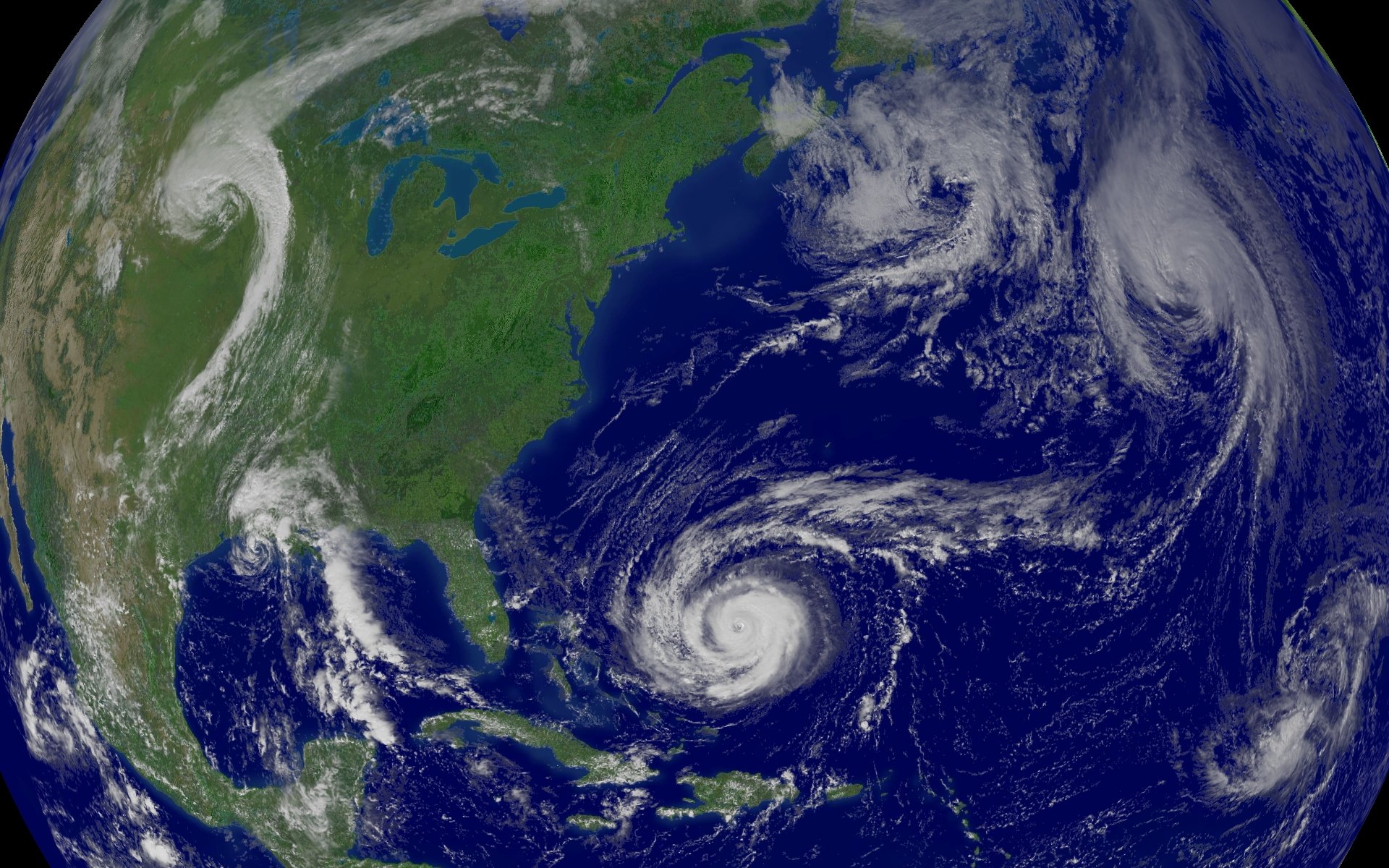
The National Hurricane Center began issuing advisories for Tropical Storm Dolly at 11 a.m. Thursday, Aug. 27, the fourth named storm of the 2026 Atlantic season. At that time, Dolly was near 13.6 degrees north latitude and 38.7 degrees west longitude, about 1,555 miles east of the Leeward Islands, with maximum sustained winds of 40 mph and moving west at 24 mph.
The system had been designated Invest 96L earlier Thursday. The hurricane center's 2 a.m. Thursday outlook placed development odds at 70%. Those odds rose to 90% by 8 a.m. before the center classified the system as Tropical Storm Dolly at 11 a.m.
The hurricane center expects little change in strength in the next 48 hours. Hostile environmental conditions are expected to affect the storm beginning Friday, and forecasters expect Dolly to weaken or degenerate into a tropical wave before reaching the Leeward Islands this weekend. No coastal watches or warnings were in effect Thursday. Interests in the Leeward Islands were advised to monitor Dolly's progress.
Before the storm formed, National Weather Service forecaster George Rizzuto told Miami New Times on Wednesday, Aug. 26, that a clearer picture of the system's track would emerge within five days. "We have a tropical wave that could develop over the next seven days into a tropical storm as it drifts generally westward," Rizzuto said.
Also before the storm formed, The Weather Channel reported two possible paths on Wednesday: the system either succumbs to El Niño-enhanced wind shear and dry air, or it survives, turns northward and strengthens in the subtropical Atlantic. The current National Hurricane Center forecast supersedes those earlier scenarios.
What Key Biscayne residents should know
Key Biscayne is a barrier island in Miami-Dade County. The county uses five storm surge planning zones, A through E, with Zone A at greatest risk from Category 1 storms and higher. Evacuation decisions are based on forecast track and projected storm surge, not hurricane category alone. Storm surge zones are separate from flood zones. Residents can look up their specific zone using the Miami-Dade Storm Surge Zone Finder.
No evacuation orders are in effect.
NOAA projects a below-average 2026 hurricane season because of El Niño, forecasting seven to 13 named storms, two to six hurricanes and zero to two major hurricanes. Three named storms formed before Dolly: Arthur in June, Bertha in July and Cristobal in August. Peak season runs from mid-August through mid-October.
About the name
The name "Dolly" was placed on the Atlantic storm name list in 1996. Atlantic storm names come from six rotating alphabetical lists that are recycled every six years. The 2026 list is scheduled to repeat in 2032, unless a name is retired. The name was last assigned to a tropical storm in 2020. Its use in 2026 was set long before country music icon Dolly Parton died Tuesday, Aug. 25. USA Today reported the hurricane center confirmed there are no plans to skip the name.
Residents can sign up for Miami-Dade Alerts for emergency notifications or call 311 for evacuation center information during a storm.




.jpg)