
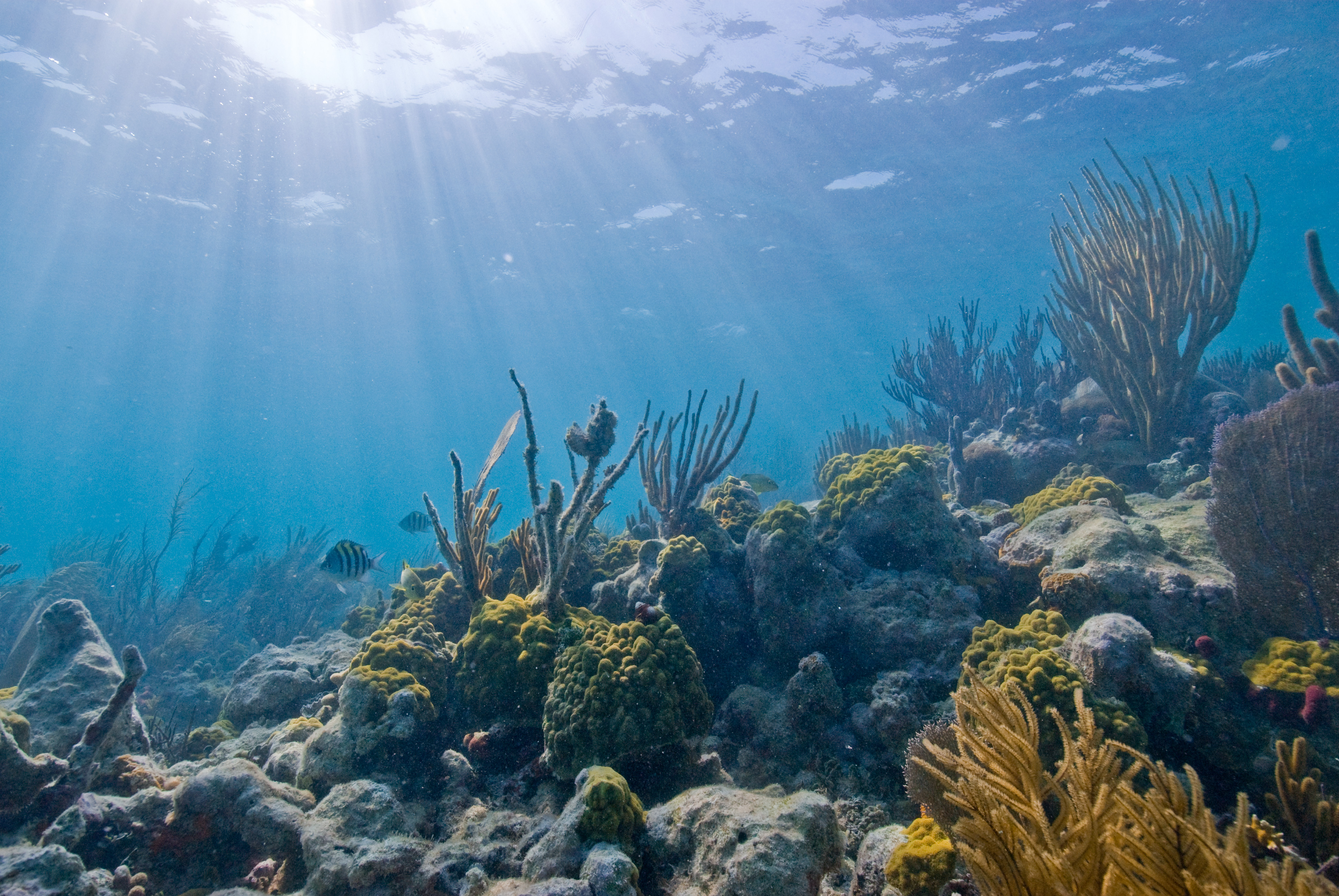
Restoration crews launched emergency coral evacuations Tuesday from nurseries off Key Biscayne and the Florida Keys after the National Oceanic and Atmospheric Administration declared Alert Level 1 for coral bleaching, signaling that accumulated heat stress has reached levels where significant bleaching is expected.
Water temperatures are tracking at or above the record pace set in 2023, according to the Miami Herald. That year's marine heat wave devastated coral nurseries and pushed elkhorn and staghorn corals to what researchers have called functional extinction across Florida.
"Alert Level 1 really doesn't capture it. It's scary. It's extreme," said Ken Nedimyer, technical director of Reef Renewal USA. "I think we're on track to be hotter than 2023."
Two Groups Moved Hundreds of Corals Within Hours of the Alert
Within hours of the NOAA designation, two organizations mobilized.
The Coral Reef Foundation moved 246 elkhorn and staghorn corals to land-based facilities. Reef Renewal USA set out by boat to relocate 400 elkhorn and staghorn corals, sending some to a deep-water nursery and others to facilities in West Palm Beach and Tampa.
Reef Renewal USA plans to return the week of July 14 to retrieve about 100 more of the larger corals. The biggest specimens, up to 45 inches across, will stay in the water. Researchers expect those corals to spawn in the first week of August, and teams plan to collect the spawn and grow it in cooler lab tanks for future replanting.
Phanor Montoya-Maya, program manager for the Coral Reef Foundation, said his team saved more than 17,000 coral colonies across 23 species during the 2023 bleaching event and is better positioned this year because of lessons learned. The foundation has deeper-water and alternate holding locations staged and ready if conditions worsen.
Biscayne Bay's Reefs Support Billions in Economic Activity Each Year
Biscayne Bay generates $12.7 billion in annual economic output, supports 138,000 jobs and draws 1.6 million visitors a year to the surrounding national and state parks, according to the Miami Foundation.
The threat is not abstract for Key Biscayne residents. During the 2023 bleaching event, dead coral piled up near Paradise Reef nursery. A Rescue A Reef restoration dive launched Aug. 4, 2023, from Diver's Paradise dive shop at Crandon Marina documented the damage, the Miami Herald reported.
Biscayne National Park's reefs sit just offshore. The park documented bleaching in August 2023 after temperatures rose earlier in the season than usual. Park staff have noted that healthy reefs absorb wave energy and reduce flood risk for coastal communities like Key Biscayne.
Park Officials Urge Boaters and Snorkelers to Limit Reef Contact
Under Biscayne National Park's standing guidance, residents and boaters can help protect local reefs by:
- Using park mooring buoys instead of anchoring near coral reef patches.
- Wearing reef-safe sunscreen.
- Keeping their distance from corals while snorkeling or diving.
Second Rescue Trip and Coral Spawning in August
Reef Renewal USA returns to its nursery the week of July 14 to move more corals. Coral spawning is expected the first week of August, with lab collection to follow.
No public volunteer events or community meetings related to the 2026 bleaching response had been announced as of Wednesday, July 8.





.jpg)