
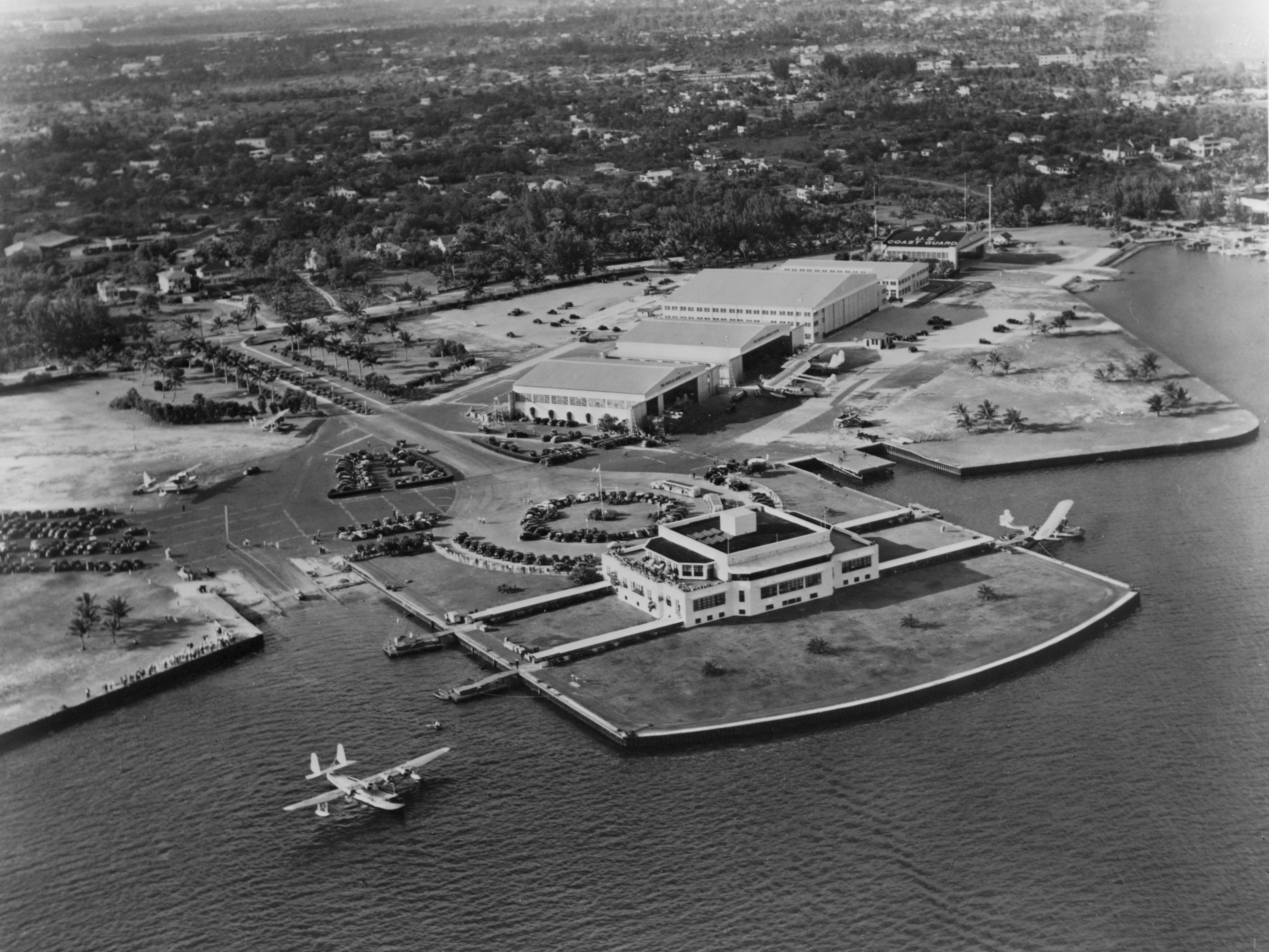
The Museum of Miami wants to turn the historic Pan Am terminal at Dinner Key into a civic commons with a museum, archive and continuous baywalk along Biscayne Bay.
The museum sent the city a letter of intent Sept. 11 proposing a long-term public-private partnership at the Coconut Grove waterfront site, one day after the Miami City Commission voted 4-1 to keep City Hall there. The Coconut Grove Spotlight first reported the proposal Sept. 24.
The plan envisions a new museum building behind City Hall to house the museum's collection of Pan American World Airways artifacts, photographs and archival materials. It also calls for a coastal recreational park with native vegetation and protected water views.
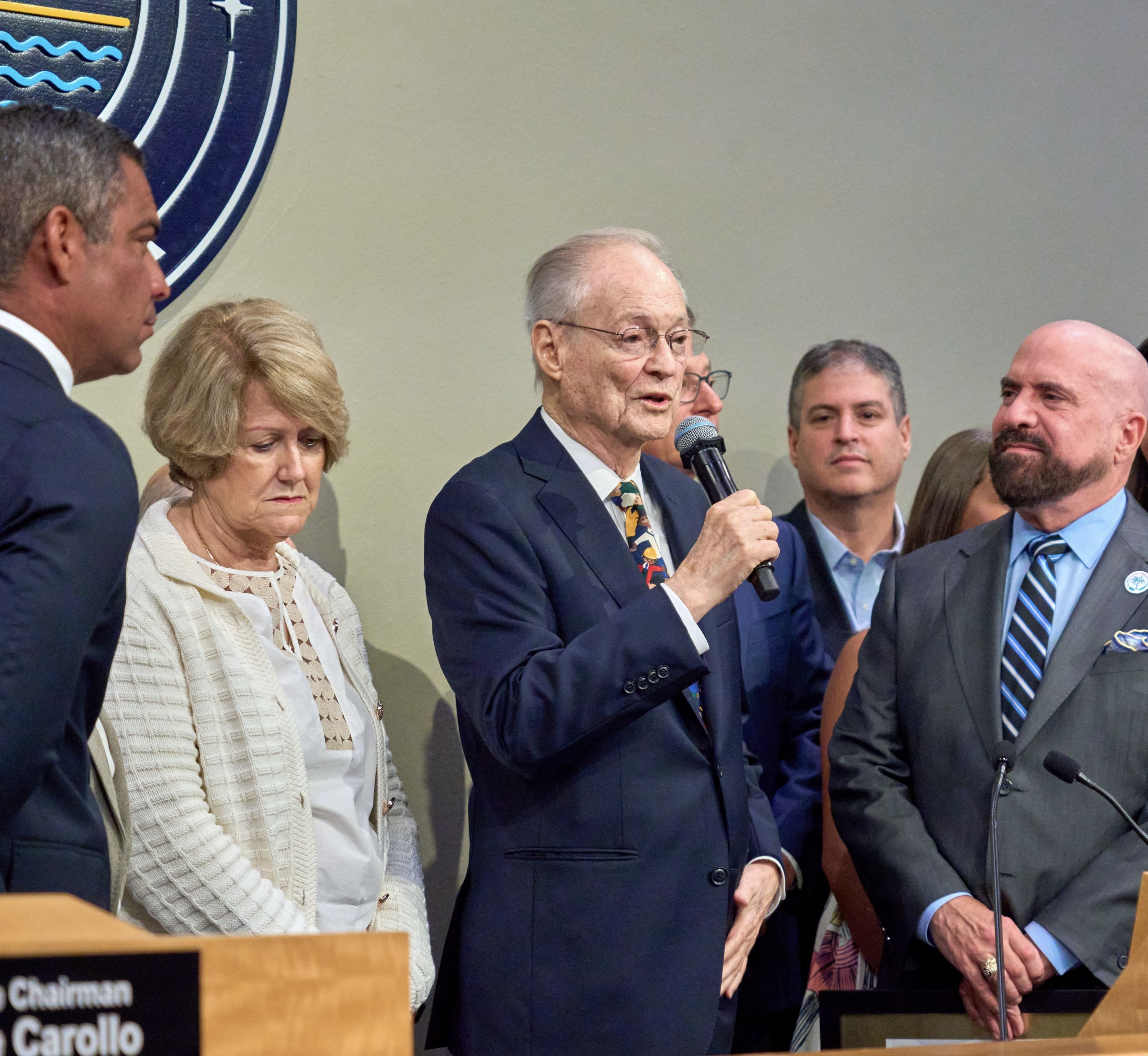
District 1 Commissioner Miguel Gabela cast the lone dissenting vote on the Sept. 10 resolution, saying he was concerned about the cost of maintaining two meeting spaces. District 2 Commissioner Damian Pardo sponsored the measure.
Museum leader calls commission vote a short-term fix
Natalia Crujeiras, CEO and executive director of the Museum of Miami, told the Spotlight that the commission's vote was a positive step but not a lasting solution. The resolution is binding, yet a future commission could reverse it.
"I think our commission showed smart leadership by voting to remain there, but I don't think this is a long-term solution," Crujeiras said. She added that future pressures and a different set of commissioners could change the calculus.
City has not engaged with the museum's letter
The letter lays out two paths forward. The museum could file a formal unsolicited proposal with a $25,000 application fee, or the city could launch its own process for the site's civic reuse. The museum also asked the city to determine whether the proposal qualifies as a public-private partnership under state law and to authorize an interim agreement so predevelopment work could begin at the museum's expense.
As of Sept. 24, the city had not engaged. A city spokesperson told WLRN the week before that the city "is not entertaining any proposals for a different use of the Dinner Key facilities at this time." The Spotlight reported that a spokesperson confirmed that position had not changed.
Crujeiras said city staff acknowledged receiving the letter and referred it to the city manager. The museum had received no further response as of the week of Sept. 24. Pardo did not respond to the Spotlight's request for comment on the museum's plan, the Spotlight reported.
Waterfront access debates spread across Miami
The proposal arrives as public waterfront access is a live issue across Miami. Neighboring Regatta Harbour, once a casual gathering spot, has become a high-end retail and dining complex. At Grove Harbour Marina, the operator sued the city over rent increases. In November, Miami voters will decide Referendum 3, an $80 million marina redevelopment on Virginia Key that would lease nearly 28 acres of public waterfront to private developers for up to 75 years.
Crujeiras told the Spotlight the museum is stepping forward to prevent the site from becoming residential towers, commercial high-rises or a large entertainment venue.
The Pan Am terminal at 3500 Pan American Drive, listed on the National Register of Historic Places, has served as Miami's City Hall since 1954. Pardo told Local 10 at the Sept. 10 meeting that the building costs about $295,000 a year to maintain and that financial viability would be the biggest criterion for any partnership.
A new city administration building is under construction at Miami Freedom Park and is expected to open in late 2027 or 2028. Most city employees will relocate there from the Miami Riverside Center, raising the question of what role the Pan Am terminal will play once day-to-day operations move west.
No next meeting date or formal deadline tied to the museum's proposal has been announced.

.jpg)