
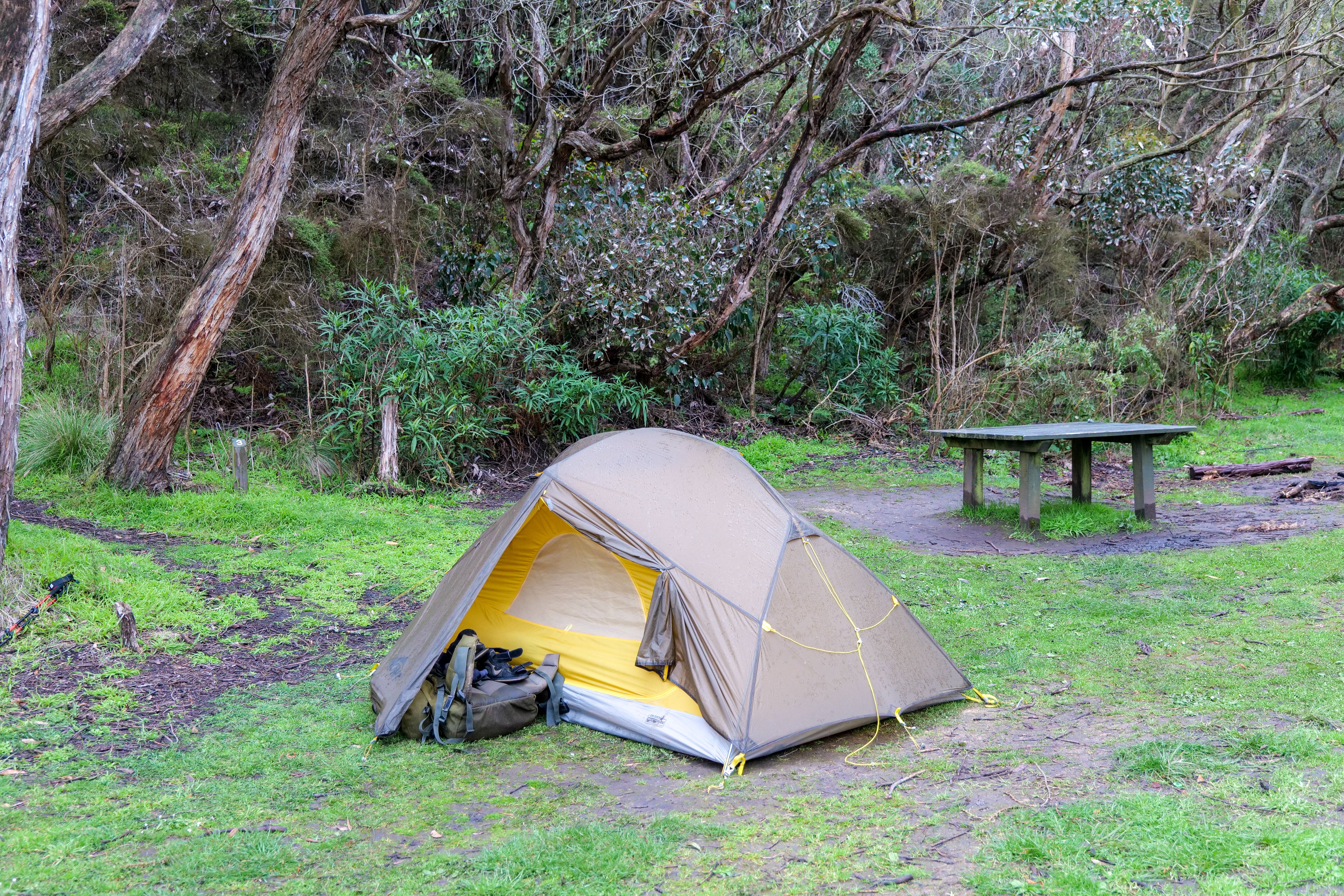
City of Miami police officers patrolling Coconut Grove no longer need to issue a written warning before arresting someone sleeping on public property. A new ordinance signed July 24 by Mayor Eileen Higgins eliminates that step, replacing it with a verbal warning and what the law calls a "reasonable amount of time" to move.
The change hits close to home on Grand Avenue, where 66-year-old Sheila Dixon has slept on the sidewalk for nearly 20 years. Dixon, a West Grove native, has repeatedly turned down offers of housing from the city's outreach teams.
"I am not frightened because I stay in prayer," Dixon told the Coconut Grove Spotlight. "It is better to be out front. The police come through there."
What the ordinance changes
Miami Ordinance 14488, approved by the City Commission in a 3-2 vote on July 23, removes two enforcement tools that previously slowed the process: the written warning and the option for code inspectors to issue citations. Now only police officers handle enforcement, and only a verbal warning is required.
City Attorney George Wysong told commissioners the "reasonable amount of time" language does not mean 24 hours, the Miami Herald reported. It means as quickly as a person can gather belongings and leave the sidewalk. The amount of time depends on how much property the person has.
One safeguard remains. Officers cannot make an arrest unless they have confirmed a shelter bed or immediate housing is available and the person has refused it.
The vote
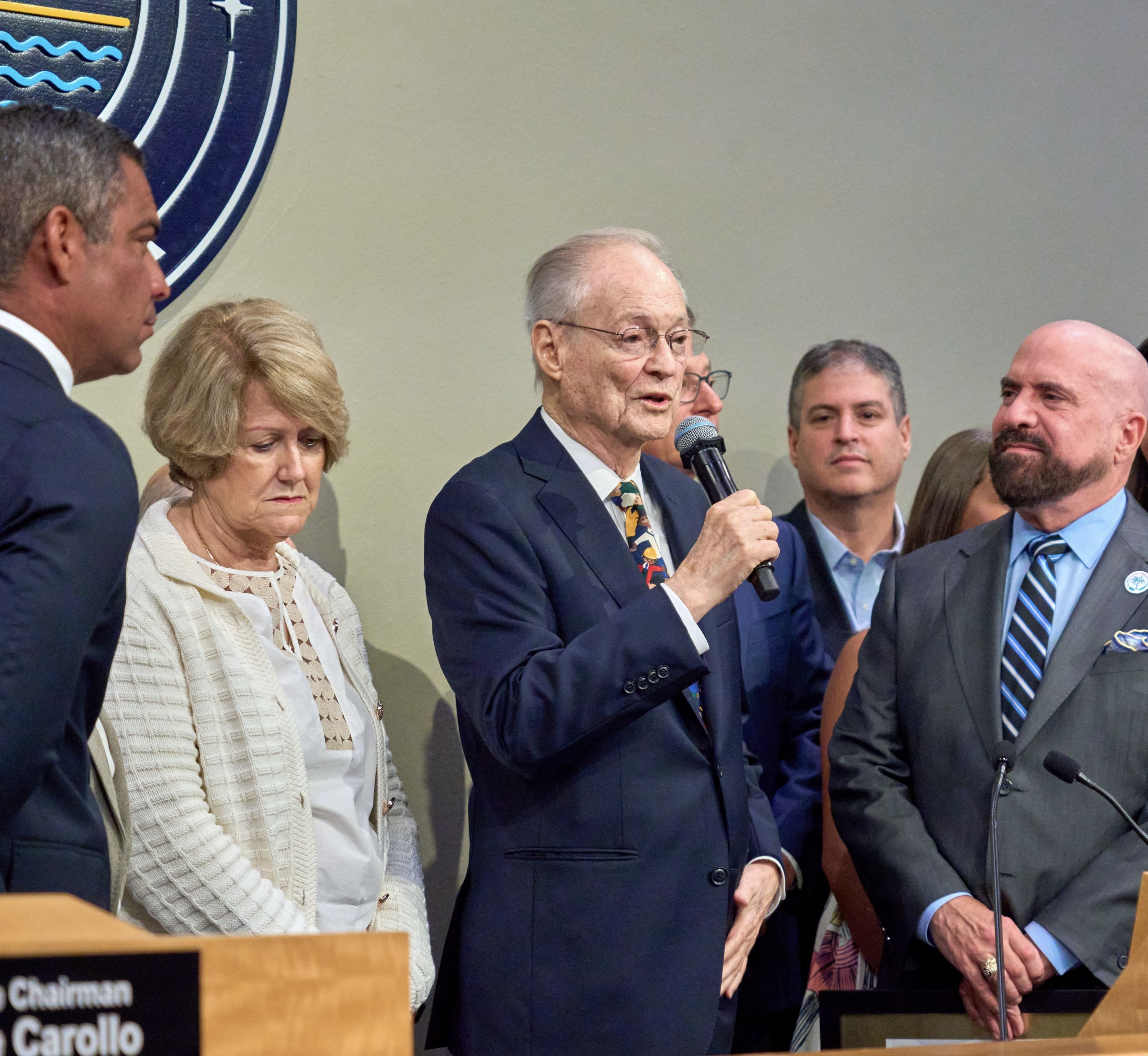
District 3 Commissioner Rolando Escalona sponsored the measure, citing complaints from business owners about encampments blocking storefronts. Commissioners Miguel Angel Gabela and Ralph Rosado joined him in voting yes.
District 2 Commissioner Damian Pardo, who represents Coconut Grove, voted no. He told colleagues at the July 23 meeting that he saw a "slippery slope" he was not comfortable with. District 5 Commissioner Christine King also dissented, asking how officers would know what qualifies as reasonable, the Key Biscayne Independent reported. "Is 10 minutes reasonable? Is 24 hours?" she asked.
Coconut Grove impact
The Miami-Dade Homeless Trust's January 2026 point-in-time count found 10 unhoused people in Coconut Grove on Jan. 22, though Trust chairman Ron Book acknowledged the number may be an undercount because the Grove's unhoused population moves around. Outreach coordinator Deb Dolson of the Coconut Grove Crisis Food Pantry said the pantry sees 20 to 25 people who report having no permanent address.
In the city of Miami, 605 people were found sleeping on streets in January 2026. Miami Police Chief Edwin Lopez told commissioners his department had made only two camping-ban arrests all year before the ordinance change.
A University of Miami survey found 28% of people sleeping outdoors said they would not accept a shelter bed, citing safety concerns or feeling overly restricted.
What comes next
Human Services Director David Gilbert told commissioners the city was preparing to open an 80-bed emergency shelter in Gladeview by the end of July. Whether that facility is now operational has not been confirmed.
The next Miami-Dade Homeless Trust point-in-time count is scheduled for Aug. 27. The ordinance aligns Miami's enforcement with Florida HB 1365, a state law signed by Gov. Ron DeSantis on March 20, 2024, that prohibits local governments from allowing public camping on public property and took effect Oct. 1, 2024.




.jpg)