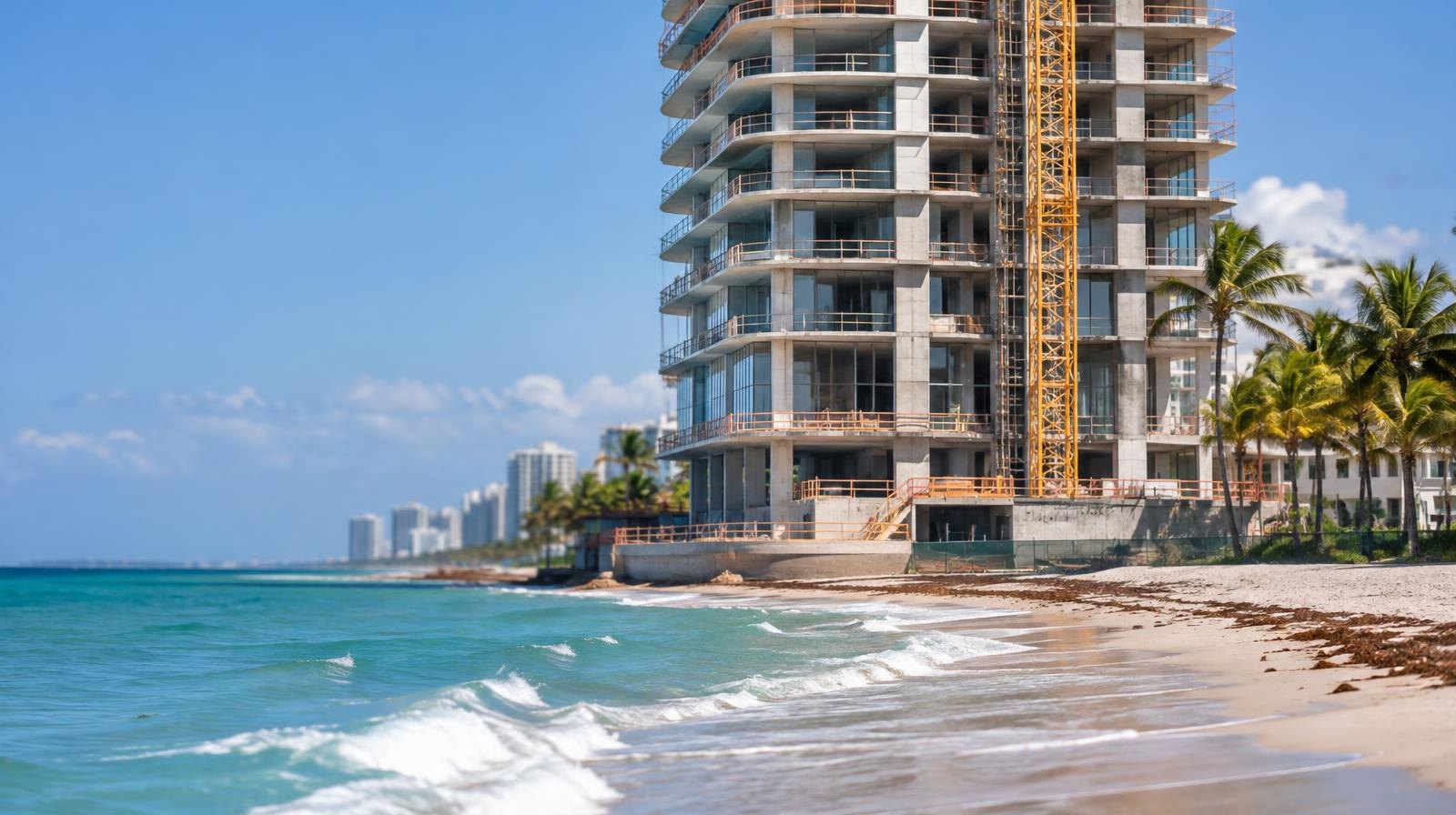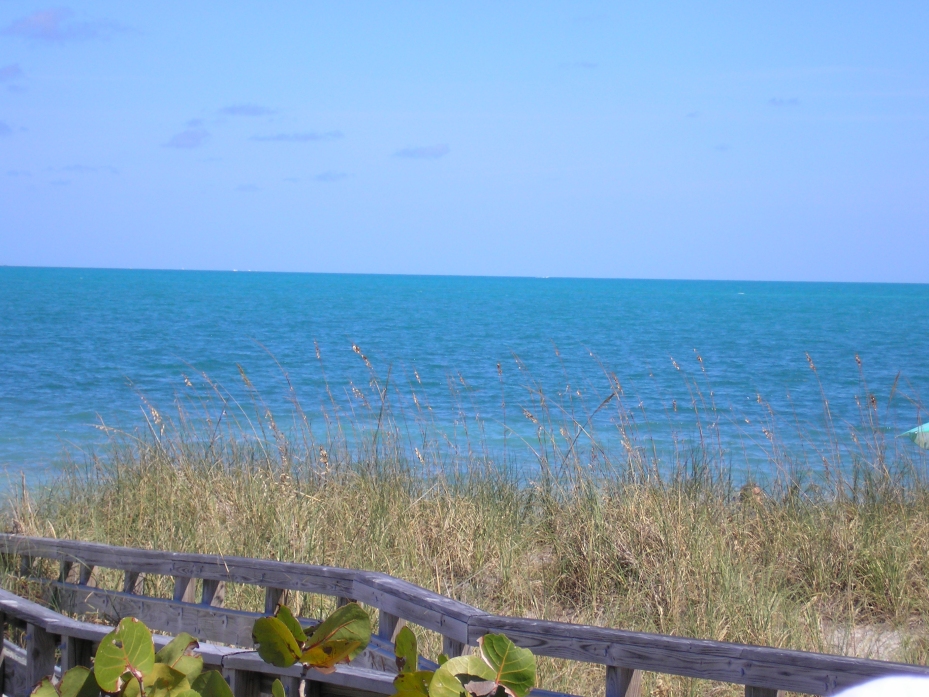
The Village of Key Biscayne plans to begin trucking sand onto its eroded shoreline March 1, 2027, and must wrap up before sea turtles return to nest.
The timeline was confirmed in Addendum No. 2 to the Village's beach nourishment bid solicitation, released Nov. 10. The document answers dozens of questions from prospective contractors and locks in key project details.
The Village set a hard deadline: all construction must finish by mid-April. The addendum states that work "will not be allowed after May 1," the start of sea turtle nesting season, and that the Village expects completion before that date because turtles have arrived on the beach before May 1 in past years.
The Village declined a contractor's request to extend the bid submission deadline. "No extension of time will be given as we have a very tight timeline in order to meet the completion date prior to Turtle Nesting season," the addendum states.
How much sand
The base bid calls for 12,610 cubic yards of beach-compatible sand, equivalent to about 18,050 tons. An add-alternate option would bring in an additional 6,993 cubic yards, or 10,000 tons. Payment will be based on certified scale tickets, according to the addendum.
Three sand mines are approved sources: E.R. Jahna Industries' Ortona mine, Garcia Mining Company and Vulcan Materials' Witherspoon mine. All three are in the Moore Haven and Clewiston area of inland South Florida.
Bear Cut Bridge restriction lifted
A logistical hurdle has cleared. The previously posted 31-ton weight restriction on Bear Cut Bridge is no longer in effect, the addendum confirms, following completion of a concrete restoration project on the bridge. The rehabilitation of Bear Cut Bridge No. 874544 on the Rickenbacker Causeway was performed by P & P Contracting Inc. for Miami-Dade County's Department of Transportation and Public Works. That work ran from Nov. 5, 2024, through March 11, 2025, according to project records included in the addendum.
With the restriction gone, all vehicles crossing the Rickenbacker Causeway are subject only to standard Florida legal load limits.
Permits and route
The addendum confirms that local, state and federal permits have been secured. Those include permits from the Florida Department of Environmental Protection (FDEP), the U.S. Army Corps of Engineers (USACE) and Miami-Dade County's Department of Environmental Resources Management (DERM).
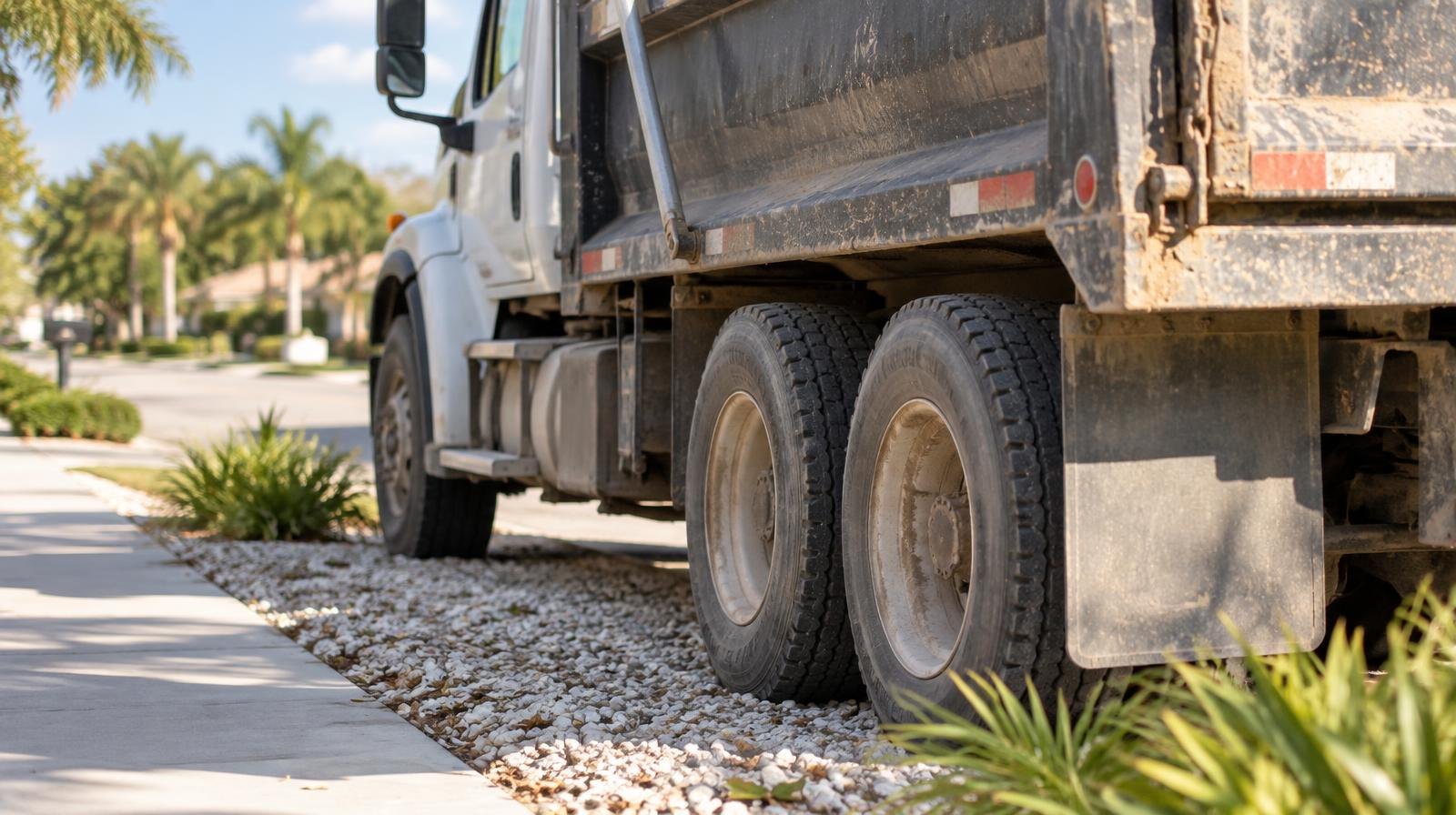
Sand trucks will travel Crandon Boulevard to Sonesta Drive to Ocean Drive, entering the beach via an access path on the north side of the Oceana condominium and exiting on the south side. Work is limited to weekdays, 7 a.m. to 5 p.m. No weekend, holiday or nighttime work is permitted.
Penalties and timeline
The contract includes liquidated damages of $500 per calendar day if a contractor misses the 45-day substantial completion deadline and $1,000 per day past the 60-day final completion window. Sea turtle monitors hired by the Village will conduct daily early-morning surveys from March 1 through April 30, and contractors cannot begin daily beach work until monitors give an all-clear.
The project is federally funded through the Hazard Mitigation Grant Program (HMGP), as approved by the Florida Division of Emergency Management and the Federal Emergency Management Agency (FEMA), according to the original bid solicitation. Engineering firm Moffatt & Nichol prepared the project documents.
The Village last nourished its beach in March 2024, hauling roughly 25,000 cubic yards of sand after storms caused up to 28.4 feet of shoreline loss in some areas, according to the Village's project page. That effort cost about $3 million, split with the FDEP.
Bids for the 2027 project are due Nov. 24 at 11:30 a.m.