
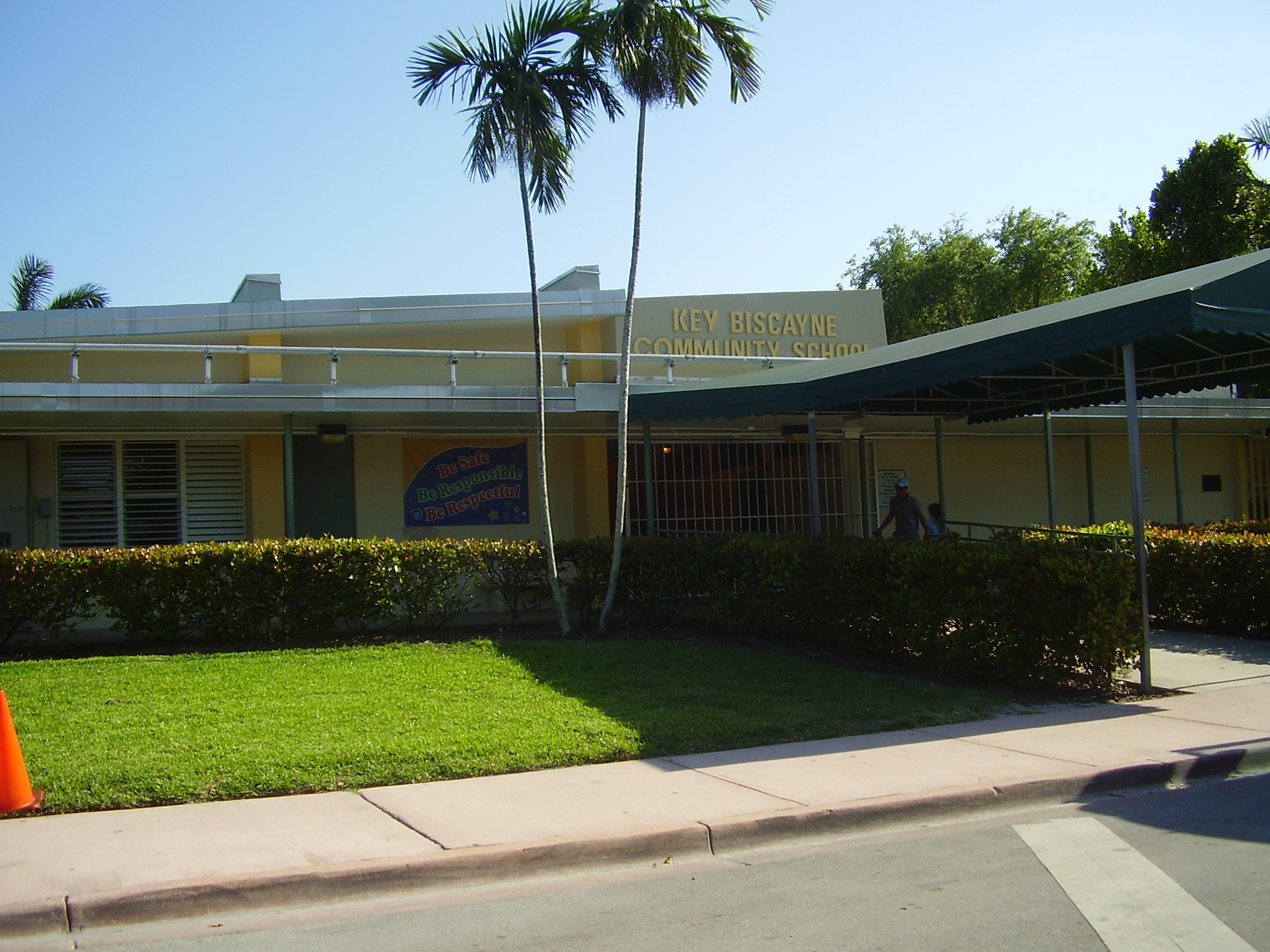
Key Biscayne's Village Council approved a $119 million budget for fiscal year 2027 on Wednesday, Sept. 23. A last-minute proposal to spend $100,000 a year on the island's public school dominated roughly half the hearing.
Council Member Oscar Sardiñas introduced the K-8 Center funding request off-agenda during the second and final budget hearing, the Key Biscayne Independent reported. The debate consumed about half the meeting, even though the allocation amounts to less than a tenth of one percent of the total budget.
Sardiñas, who serves as council liaison to the Educational Advisory Board, proposed $100,000 annually for three years to help reverse declining enrollment and test scores at the Key Biscayne K-8 Center. The school serves just 29% of the island's students and operates at about 69% capacity. In a March presentation, Educational Advisory Board Chairman Robert Duzoglou warned, "I think it will die if we don't fix it," after 70 students left that year for charter options like MAST Academy.
The Parent Teacher Student Association has already raised $324,000 this year working with the school's administration, families and the district, Sardiñas said.
"This is our attempt now to invest in the school into something that the families have told us loud and clear they don't want to do, which is lose their middle school," Sardiñas said at the hearing.
Council Member Fernando Vazquez, an engineer, called the plan too timid. He pushed for a new school building, noting the current facility floods. Sardiñas responded that enhanced programs and a new building were not mutually exclusive.
Village Manager Steven Williamson said staff found room in the budget to cover the allocation.
Both Sardiñas and Vazquez are running for re-election Nov. 3. They are two of five candidates competing for three at-large council seats, as we reported Sept. 22.
Two other candidates, Claire London and Silvia Tarafa, the K-8 Center's former principal, watched from the audience. Tarafa said she did not realize the $100,000 request would be added to the budget but called herself "a big believer in public school."
The budget bottom line
The adopted budget includes a $47.2 million operating plan, which adds a full-time firefighter, and a $72 million capital plan spread across 34 projects.
The biggest capital item: $29 million to begin burying utility lines islandwide. The undergrounding project has been discussed since the village's incorporation in 1991 but stalled after a change in state utility law. Future spending plans show another $13 million needed in 2029 and $15 million in 2030.
Stormwater improvements account for another $24 million, bringing total infrastructure and resilience spending to $56.2 million. The capital plan relies on General Obligation Bond borrowing. Voters authorized up to $100 million in resilience bonds in 2020, but each issuance still requires a supermajority council vote.
Tax impact
The millage rate drops slightly, from 2.8846 to 2.8708. But rising property values mean the average tax bill still climbs about 4.6%, according to Village Chief Financial Officer Benjamin Nussbaum. Homesteaded properties face a smaller increase of about 2.2%.
That gap shifts more of the tax burden onto renters and businesses, since only U.S. citizens and green-card holders qualify for the Homestead exemption.
The budget takes effect Thursday, Oct. 1. The Nov. 3 ballot also includes a referendum that would require voter approval before the village undertakes any stormwater project costing more than $50 million over three fiscal years.



.jpg)