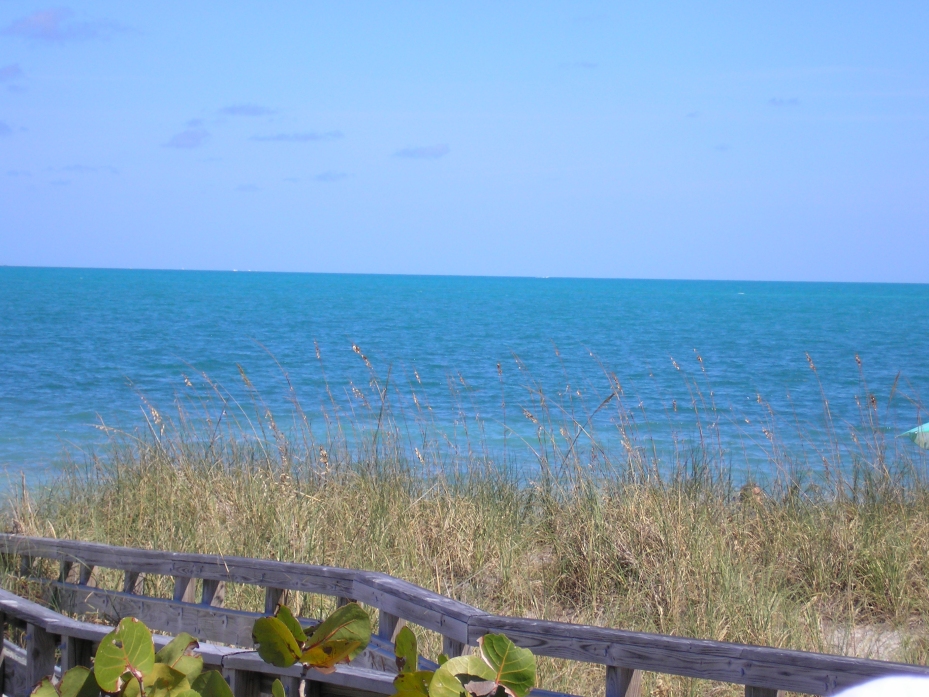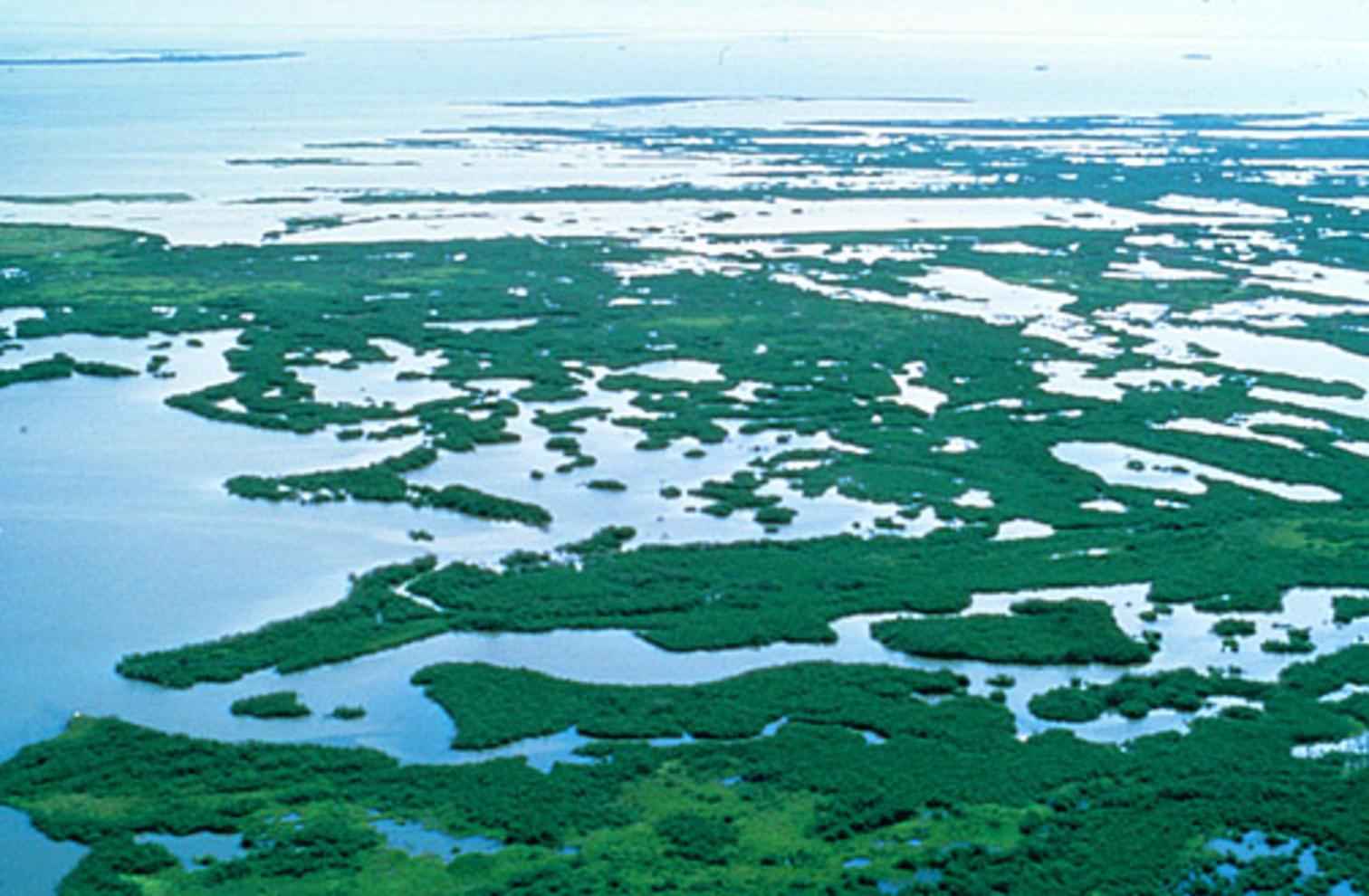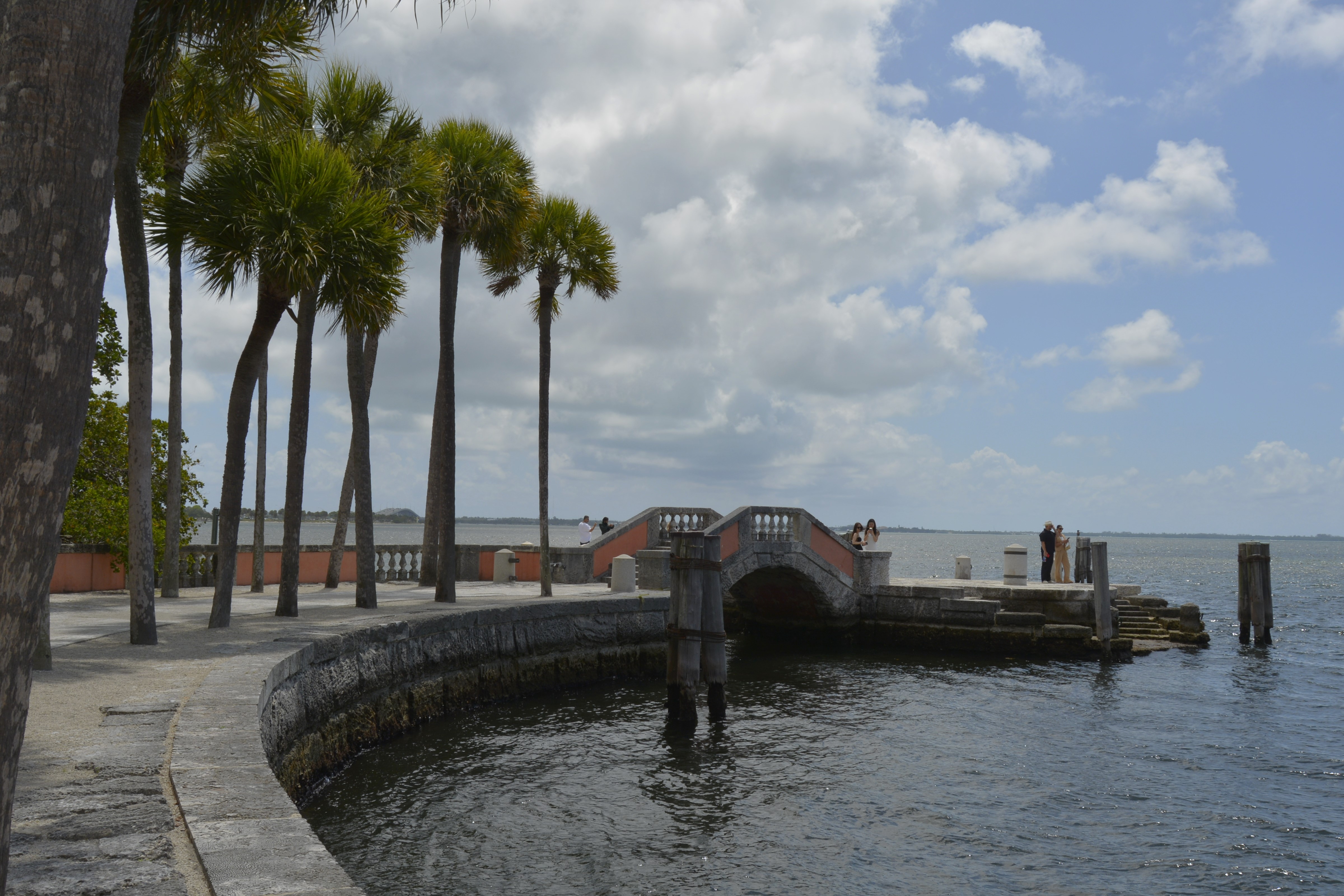
Biscayne Bay has been designated an Important Shark and Ray Area, recognizing its importance to sharks and rays for reproduction, feeding and aggregation. Researchers say the designation could inform how officials weigh future development along the bay.
The designation, part of a global map developed by the International Union for Conservation of Nature (IUCN), recognizes important habitat functions used by 13 shark and ray species. Eight are on the IUCN Red List as threatened, WLRN first reported on Sept. 29.
Catherine Macdonald, director of the Shark Research and Conservation Program at the University of Miami's Rosenstiel School, led the effort. Her team spent nearly 10 years compiling data, conducting ultrasounds on female sharks, examining mating bite marks and launching drones across the 270-square-mile bay.
"For more than 10 years, my team's been collecting data on how sharks use the habitats in Biscayne Bay," Macdonald said in a WSVN report. "And what we found is that for 13 species of shark and ray, Biscayne Bay is critical to some aspect of their lives."
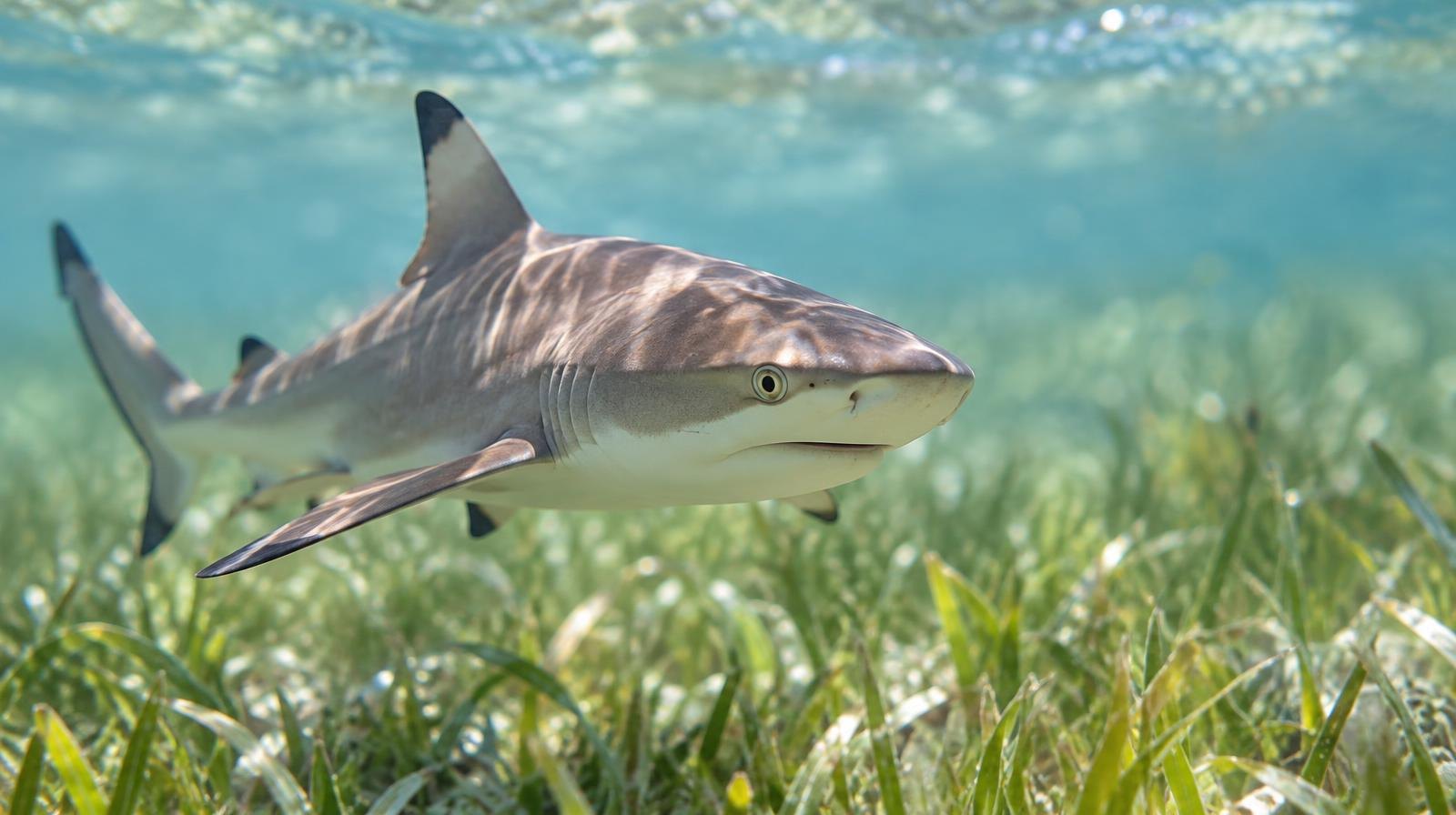
The species range from tiger, bull and great hammerhead sharks down to the small bonnethead shark. Great hammerheads, which the IUCN considers critically endangered, use the bay in what researchers described as the only formally documented nursery for the species on the U.S. East Coast, according to WLRN.
The bay's shallow waters, seagrass meadows and remnants of old reef systems give young sharks two advantages, Macdonald said: plentiful food and protection from larger predators. The average depth is just six feet.
"They don't love spending their time in very shallow water for the most part and that creates some habitat separation that gives juveniles refuge from potential predation by larger sharks," she said.
Altogether, more than 1,000 locations worldwide earned Important Shark and Ray Area (ISRA) designations. None add fishing restrictions or marine-preserve rules, according to WLRN. Instead, the map highlights why certain areas help imperiled species survive.
Why it matters locally
The designation arrives as development pressure builds around the bay. A proposed mega-marina at the shuttered Miami Seaquarium site on Virginia Key called for slips for 325 boats and dry storage for another 500, with capacity for yachts up to 200 feet long, according to WLRN.
The marina proposal became a campaign issue across the bay. Miami voters rejected the Virginia Key marina deal on Nov. 7, as we reported that day.
Macdonald said she hopes the ISRA label will shape how officials weigh future projects. "I'm hoping that this will help motivate investments in habitat protection," she told WLRN.
She also pointed to steps residents can take: limit fertilizer and pesticide use during the rainy season, keep garbage out of waterways and avoid tearing up seagrass beds while boating.
"Biscayne Bay is Miami's backyard," Macdonald said. "But it's still critically important to a lot of different species of shark and ray."